
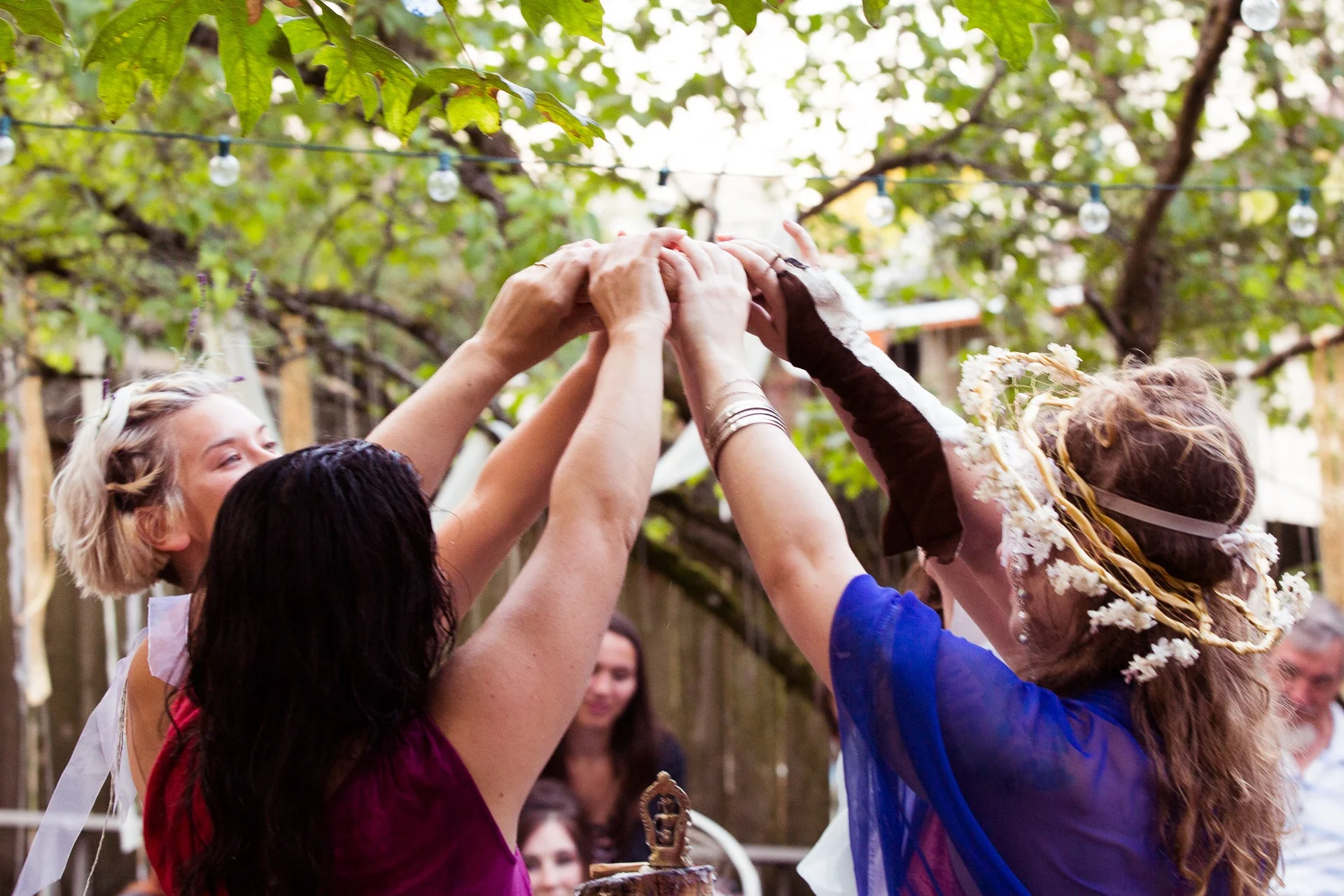
Photo by Bryan Anton
Journey to the Goddess
Inspiration - Origin Story - Mission - Lineage - Annalisa & Co.
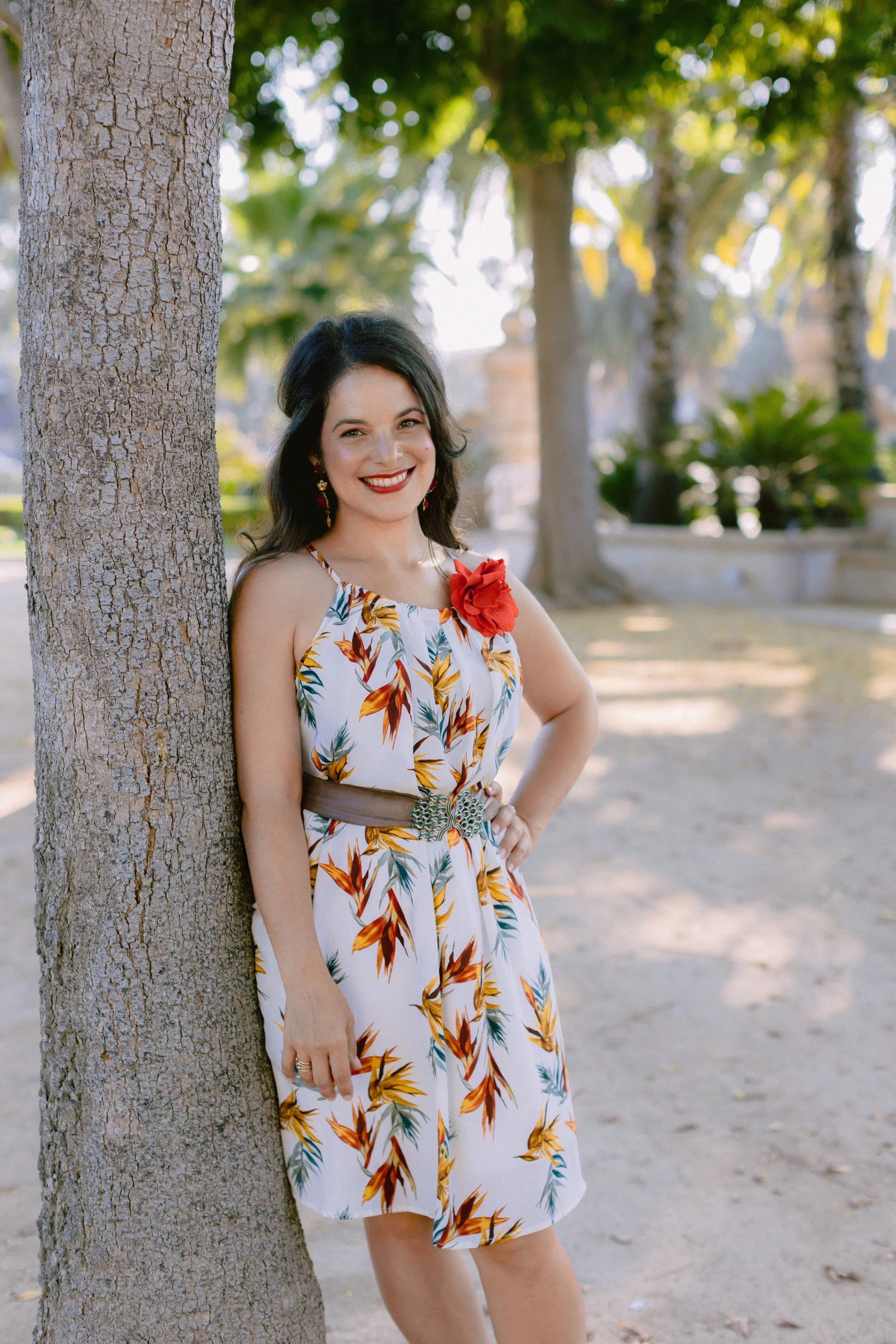
Santa Barbara, CA (Photo by Temuujin Janchiv)
About Annalisa
Annalisa Derr holds a PhD in Mythological Studies and Depth Psychology from Pacifica Graduate Institute and holds a BA in Theatre with specialized training in masked and physical performance. Her forthcoming book with Inner Traditions (Fall 2026) addresses menstrual stigmatization and advocates for a return to menstrual sacrality through her reimagining of The Descent of Inanna as a menstrual cycle narrative.
Seeking embodied approaches to her research, Annalisa developed the site-specific, goddess-centered, menstrual art performance series, “She Bleeds the World into Existence.” She has presented these original and one-time-only ritual performances in Italy, Greece, and California.
Annalisa co-hosts Goddess Matters, a panel talk show featuring voices in goddess scholarship and spirituality. She also leads embodiment workshops and guides sacred feminine pilgrimages in France. She serves on the 2026 Association for the Study of Women and Mythology symposium planning committee and previously served on their 2025 Sarasvati Nonfiction Book Award committee. She was featured as Mary Magdalene in the “Goddess on Earth Oracle Deck” by Lisa Levart. An aspiring flamenco dancer and Italophile, Annalisa splits her time between Greece and the U.S.
Sign-up to receive emails about Annalisa's book on pre-order: https://www.journeytothegoddess.voyage/bookpreorder

Annalisa portraying Mary Magdalene.
(Photo by Bryan Anton)
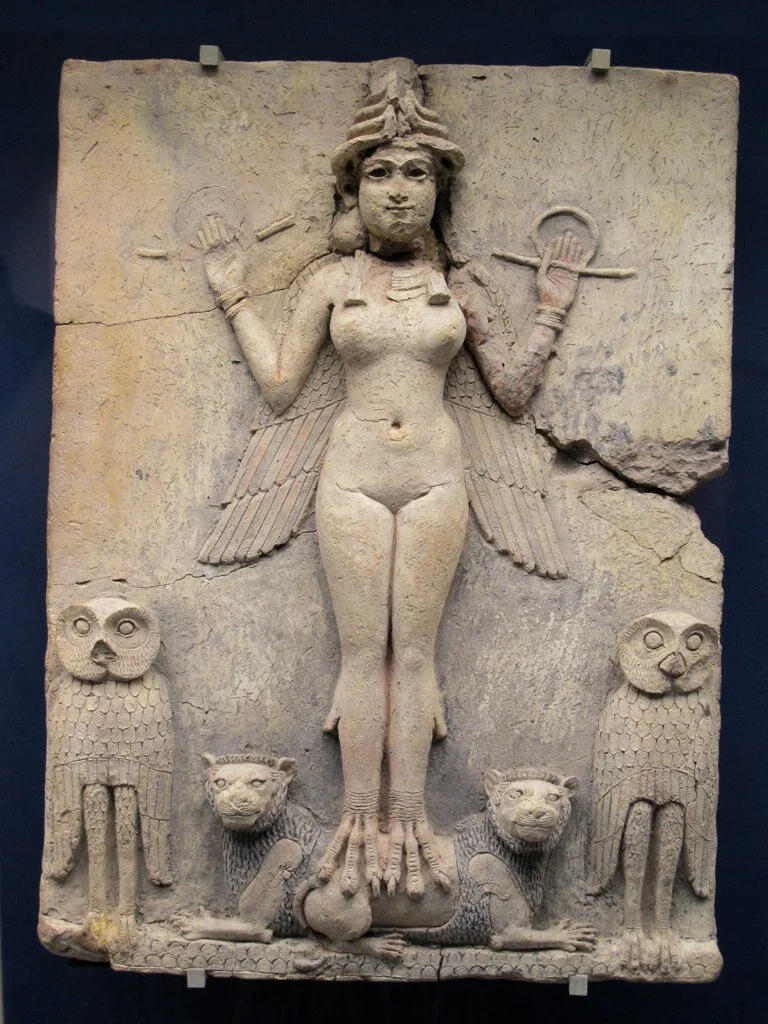
Inspiration: Why Journey to the Goddess?
For millennia, Western culture has taught women to distrust and feel ashamed of our female bodies. The narratives of female inferiority and female danger—which is replicated in many of our philosophic, religious, political, and even scientific and medical traditions—run deep into our collective history and is still felt today. I believe that these narratives hurt women psychologically (not to mention physically, economically, politically, and spiritually). On the other hand, research into our deep cultural past reveals that women were once equally valued.
My search for life-affirming meanings of what is means to be a “woman” propelled me on my own Journey to the Goddess. I have found that goddess archetypes collectively represent the fullest spectrum and potential of whole womanhood. Thus, the Journey to the Goddess is about learning how togo beyond the patriarchal fantasy of what it means to woman while falling in love with one's authentic womanhood from the inside out.
Ultimately, I believe that the Journey to the Goddess is both an outer and an inner journey toward self-acceptance and self love.
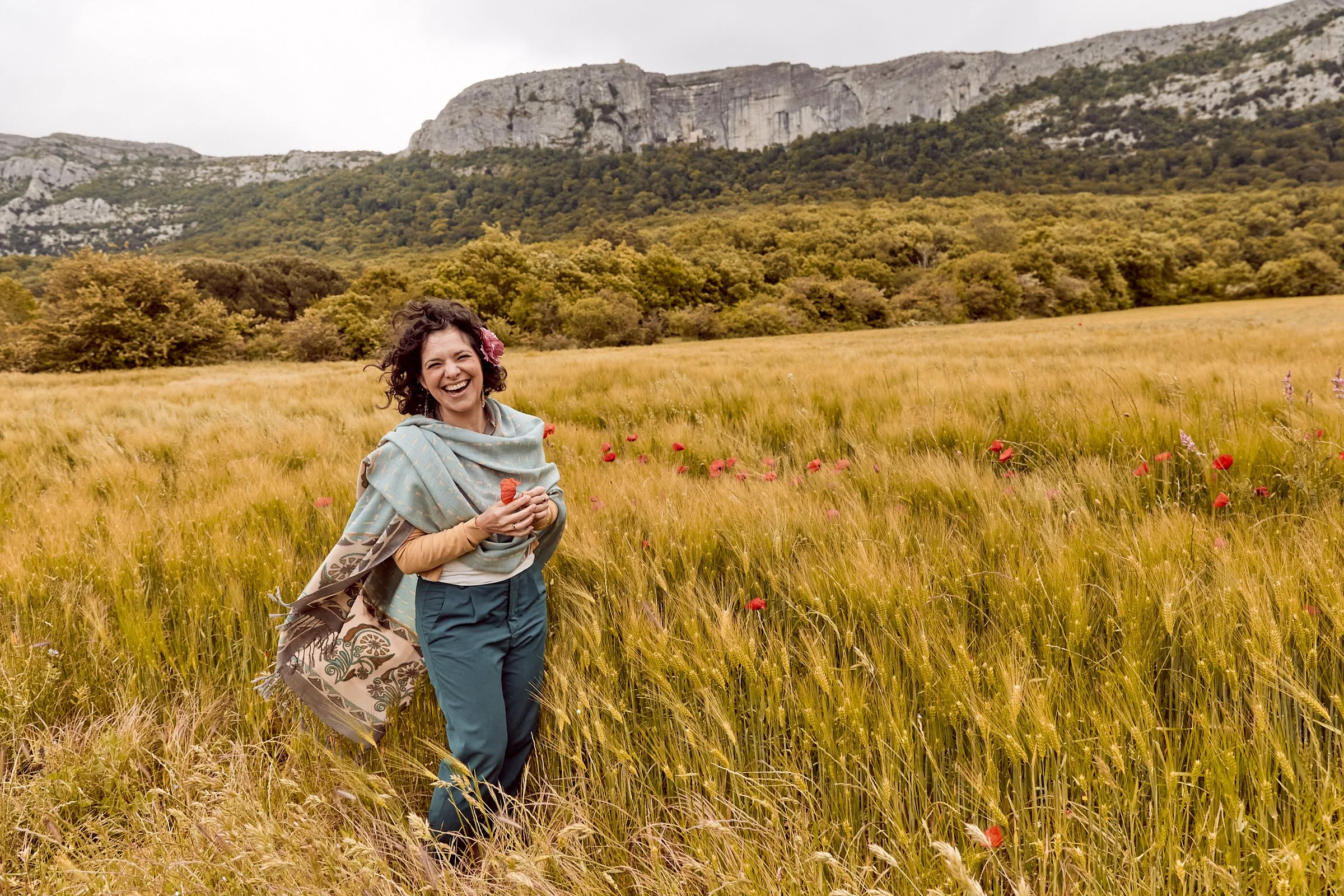
Photo: Una Rebić
My Origin Story 🌺
I reached out to place my hand on the statue of Mary Magdalene one last time. As my hand made contact with her knee, a drop of water fell from the cave ceiling and landed on my third eye.
For a moment I froze. I could hardly believe that Mary Magdalene had communicated with me in such a direct yet profound way.
“I’ve been anointed,” I exclaimed quietly inside my head.
I looked around to see if anyone else had witnessed what had just happened. No one had. In that moment I realized it was a private exchange shared only between Mary and me inside her hidden cave sanctuary in the hills of Provence.
Two years prior to my journey to this Mary Magdalene cave, I experienced goddess worship for the first time while traveling through India. It was overwhelming. The goddess was worshipped not simply as a theological concept, but as an indwelling presence within people (especially women), animals, plants, and the earth.
In a moment of clarity—or perhaps divine grace—I saw the difference between this goddess-centric tradition and the goddess-phobic tradition I had grown up within. This moment of insight ignited in me the quest to find the missing goddess within the Christian tradition. Soon afterward, Mary Magdalene became my guide and companion on this journey.
My research over the next two years revealed that there was much more to her than the traditional stories (for example, she was not a harlot), which maligned and misrepresented her in ways that undermined women’s authority, humanity, and sacred roles within Christianity. I also wondered what this emergent version of Mary Magdalene might teach us about the missing goddess within Christianity. My next step became immediately clear: the only way to find the real Mary Magdalene was to travel to the places in France said to hold the stories of her life there. In that moment, my pilgrimage had begun.
The seed of anticipation is planted the moment a pilgrim answers the call to pilgrimage. Excitement and fear occupy her mind, painting endless fantasies of what might be—what she longs for and what she secretly dreads.
I arrived in France anticipating that I would find answers about Mary Magdalene that I could not find in the books I was reading. Yet, like any worthwhile journey, Magdalene gave me what I needed—not necessarily what I wanted.
On the morning of my first visit, I set out on the hike with “the triple goddess Marie,” a daughter–mother–grandmother trio I had met at the communal breakfast hosted by the Dominican monastery that tends Magdalene’s cave. I gleefully spoke in Franglais as we traversed the rock-strewn path through the dense, ancient forest. As we approached the entrance to the cave, my heart raced. I eagerly awaited my encounter with Mary Magdalene.
The second and third visits were strikingly more challenging. My legs were sore from the first climb, and I had to stop frequently to catch my breath. Anticipation turned to impatience as I fought my bodily limitations. My sole desire was to be inside the cave, sitting before my favorite statue of Mary Magdalene.
Legend has it that Mary Magdalene spent the last thirty years of her life in deep prayer inside the cave in France.
When I arrived, the cave was dim, moist, and surprisingly spacious. Though she was no longer physically there, she made her presence gently known. Candles illuminated the statues of Mary Magdalene and the single relic above the reliquary, which seemed to glow with an otherworldly presence. The constant flow of pilgrims was evident. Dedicated plaques dating back to the 1800s—petitioning Mary Magdalene for aid—decorated the wall near the entrance. Red roses and small handwritten notes were tucked into the corners of her statues. I felt immensely honored to be one of the thousands of pilgrims who had made the trek to her sacred abode over the centuries.
I took the stairs down to the lower level of the cave and walked toward my favorite Mary Magdalene statue to say goodbye. Her downward gaze met mine. I could almost feel her anguish as she gripped the cross in her hands, imploring pilgrims to bear witness to her heartbreak. I placed a handwritten message and a single red poppy in the crevice between her knee and the base of the statue.
I reached up to touch her statue one last time to thank her for guiding me there. And then it happened—my anointing.
That was my third and final visit to the cave in two days, and it was only the beginning of my pilgrimage. That morning I would leave to visit another site along the pilgrimage route: the church of Saint-Maximin, which houses the infamous golden-encased skull of Mary Magdalene. Despite my desire to remain within the warm embrace of Magdalene in that cave, I knew it was time to move on. The anointing moment in the cave felt like an initiation into the path of the Sacred Feminine. It was as if my unwavering devotion to finding the real Mary Magdalene—the most misunderstood woman at the heart of Christianity—had been witnessed and affirmed.
It became clear that my departure from my New York life had not been misguided. I had saved every dollar, worked double shifts as an actress moonlighting as a barista, and had given up my NYC apartment to make this journey possible. In that moment with Mary in her cave, I knew I had found my path.
At the end of my journey, I realized that my pilgrimage to find the “real” Mary Magdalene behind the biblical narrative was actually about me, not her. It taught me that pilgrimage is not simply a physical journey to sacred places. It is an inner journey of self-discovery.
Mary Magdalene was not my end result, but rather my guide on a journey to discover what it means to be a woman through the eyes of the world’s goddesses and their human heroine counterparts. Since then, I have approached my life as if I am on one continuous pilgrimage.
The invitation? To let pilgrimage become a way of life rather than a final destination.
Mission:
To use goddess archetypes as myth guides that liberate women from their patriarchal conditioning and awaken them to their authentic feminine desires, potential, and sovereign power.
Lineage:
Journey to the Goddess is inspired by three distinct—though overlapping—feminine-centered lineages: Women’s History, Feminist Philosophy, and Goddess Scholarship.
1) Women’s History – Exposes the problems of patriarchal systems and androcentric (male-centered) narratives and ideologies and their negative effects on women (as well as men). It can also reveal the pre-patriarchal matri-focal and feminine-affirming roots of Western culture and elsewhere. A woman’s historical perspective also presents women as active agents in the development of culture, rather than as simply passive victims of patriarchal systems. (Sources: Gerda Lerner’s “The Creation of Patriarchy” and Dr. Amanda Foreman’s “The Ascent of Woman”).
2) Feminist Philosophy – Utilizes a “Feminist Usable Past” to present goddesses, heroines, and women (whether real, re-imagined, or fictional) as “myth mirrors” or role models for the modern woman. (Source: Rita M. Gross’ “Buddhism After Patriarchy”).
3) Goddess Scholarship – For the modern Western woman who comes from a patriarchal, monotheistic God tradition, the use of goddess symbolism, whether historical or re-imagined, powerfully affirms women as sacred. In her ovular essay, “Why Women Need the Goddess,” Carol P. Christ emphasizes that Goddess symbolism “affirms female power, the female body, the female will, and women’s bonds and heritage.” (Link to Carol Christ essay). (Additional Source: Marija Gimbutas).
Contributers and Collaborators
Consulting Goddess Researcher - Roz Carlos, MA
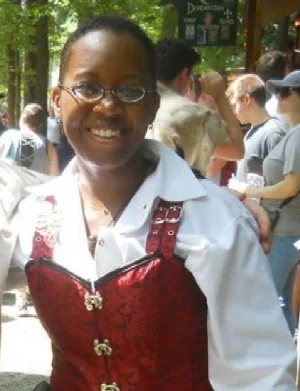
When she is not researching and writing her dissertation, Rosalyn makes esoterically-inspired jewelry and mixed media art, trains as a martial artist, cooking experimentally, and studies and practices the esoteric and the occult.
Consulting Goddess Researcher - April Heaslip, Phd
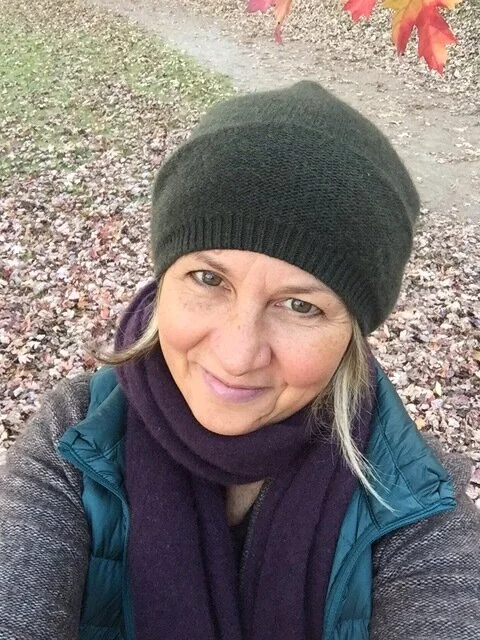
April C. Heaslip, PhD, is a mythologist and educator who earned her doctorate in Mythological Studies with emphasis in Depth Psychology at Pacifica Graduate Institute and holds a master's in Social Ecology from Goddard College. Uniting interconnected levels of inquiry via Women's + Gender Studies, Literary + Film Studies, post-Jungian Psychology and sustainability, her work focuses on applied ecofeminist mythology and the curative powers of creativity and synchronicity. Her forthcoming book with University Press of Mississippi, Regenerating the Feminine: Chronicling the Radical Rise of the Feminine in Psyche, Culture & Nature, considers the impact of this monumental resurgence as healing agent across individual, collective, and environmental realms. www.aprilheaslip.com
Recurring Guest and Collaborator -
Indian Classical Dancer, Daniela Riva

Daniela teaches in Europe, America and India. Graduated cum laude in Modern Literature at Universita’ degli Studi of Milan in Italy with a thesis on the “Theatredance in Italy”, and after many years of experience in classical ballet, contemporary dance and experimental theatre, Daniela had been blessed with the opportunity to study the theory and practice of the Indian classical dance style Bharata Natyam in one of the most prestigious academy of India, Kalakshetra Foundation of Fine Arts. Granted of a scholarship from ICCR/Ministry of Foreign Affairs of Italy, Daniela started an intense traditional training of Indian classical dance, chants and Yoga with her gurus in Chennai, in Tamil Nadu. Living long period of Indian Dance and Yoga studies in South India for more than a decade, Daniela absorbed the fascinating history of temple dances, the devotional culture, spiritual philosophy and traditional life style of India. She had been researching about Sacred Dances for years in the “Theosophical Society” in Adyar, at the Krisnhamurty foundation and at the Kalakshetra Library, in Chennai. She had also learning folk dances of India, the basic of Odissi classical dance style, at Pondicherry’s Ashram, embodiment ritual tantric gestures with Rekha Tandon.
Daniela had been absorbing Indian Dances as a lifestyle and she integrated it with the disciplines of Yoga and Ayurveda. She had been trained in the Viniyoga at the Krishnamacharya Yoga Mandiram of Chennai and in the full primary series of the Mysore Ashtanga Yoga with Rolf&Marci Naujokat in Goa, in India. She also been undergone an intense training of traditional oil massage Abhyangam and elements of nutrition of Ayurveda, in Kerala. Her teachers blessed her and appointed her to begin sharing this ancient dance of the Sacred Feminine, and since then she has been performing and teaching in all Europe, US and India to hundreds of students. Daniela embodies in her classes and dance immersions the spiritual essence of the Devadasi – the dancing priestess of India, to share the mysteries of the temple dances with all women. Following traditional Yogic and Ayurvedic principles, she guides her students to open to the awareness and beauty of their body temple and discover the inner power of transformation encoded in this ancient sacred art. A bridge between East and West, Daniela’s devotion for Indian tradition and love to her students makes her way of teaching unique, as she continues perpetuating the tradition, making it contemporary for everybody. Daniela is currently based in California (US), but travels constantly to teach in Europe and for her studies in India. Daniela is registered as E-RYT 500, Experienced Yoga Teacher with Yoga Alliance and offers global trainings.
Recurring guest and Panelist - Stephanie Zajchowski, Phd
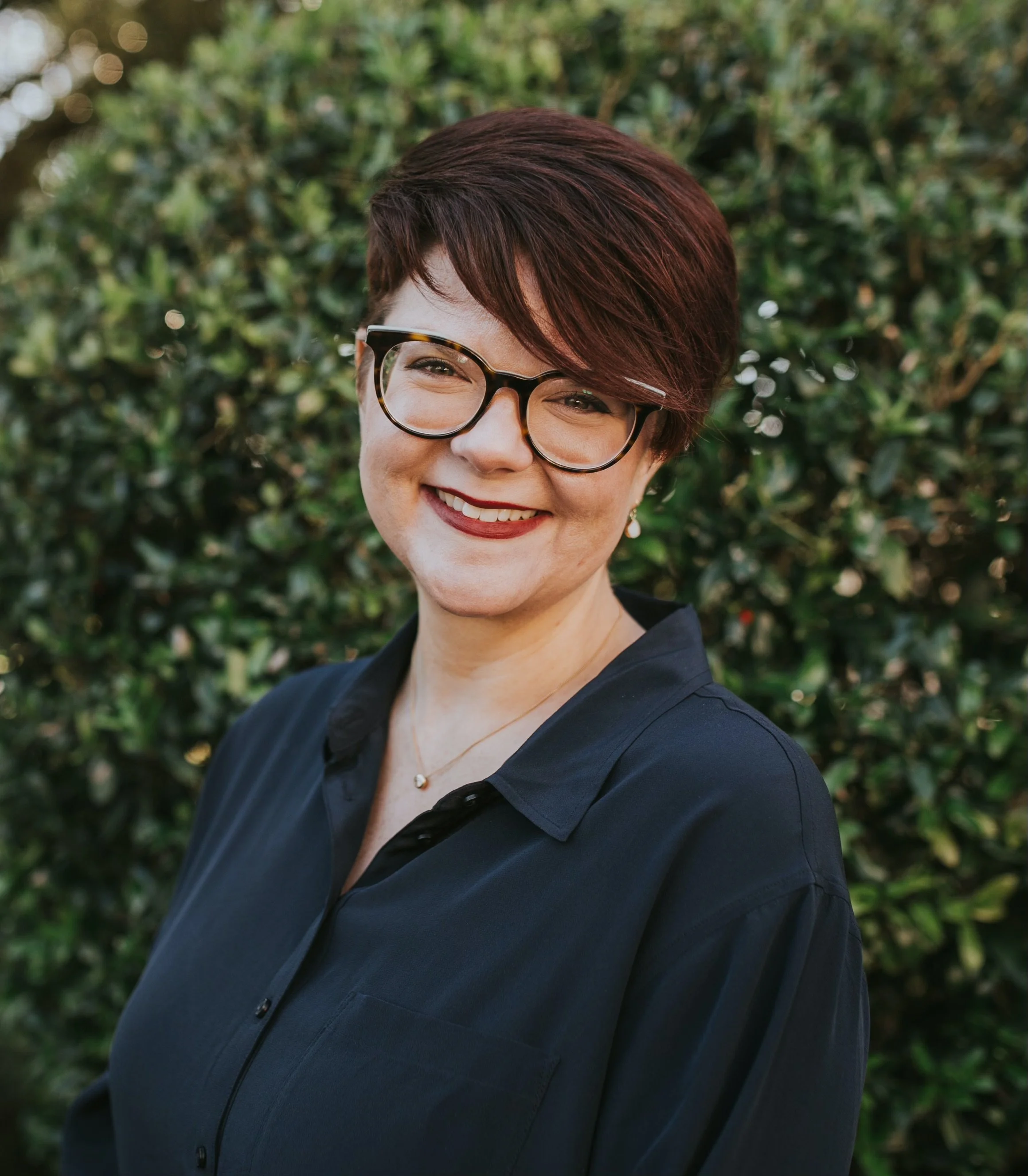
Stephanie Zajchowski, PhD is a mythologist, communications specialist, and writing coach based in Dallas, Texas. She is co-founder of the Fates and Graces Mythologium, a conference for mythologists, founder of Soul Story Coaching, and serves on the Board of Directors of the Pacifica Graduate Institute Alumni Association. She holds a doctorate in Mythological Studies with a focus in Depth Psychology from Pacifica Graduate Institute and a certification in Spiritual Direction from Southern Methodist University. You can learn more about her work at: www.stephaniezajchowski.com
Photo by Bryan Anton
Journey to the Goddess
Inspiration - Origin Story - Mission - Values - Lineage - Annalisa & Co.
About Dr. Annalisa
Santa Barbara, CA (Photo by Temuujin Janchiv)
Annalisa Derr, PhD, earned her doctorate in Mythological Studies with Emphasis in Depth Psychology from Pacifica Graduate Institute and holds a BA in Theater with specialized training in masked and physical performance. Her forthcoming book, under contract with Inner Traditions, aims to help liberate women from internalized sexism and menstrual shame and (re)awaken them to their Sacred Feminine Power. She offers an affirming alternative by re-visioning the ancient myth, “The Descent of Inanna,” as a sacred menstrual narrative and ritual rite-of-passage.
Seeking embodied approaches to her research, Annalisa developed the site-specific, goddess-centered, menstrual art performance series, “She Bleeds the World into Existence.” She has presented these original and one-time-only ritual performances in Italy, Greece, and California.
Annalisa portraying Mary Magdalene.
(Photo by Bryan Anton)
Out of a desire to enrich the lives of everyday women, Annalisa hosts “Journey to the Goddess TV,” facilitating interviews and keynote presentations by experts in goddess scholarship and spirituality. She also offers sacred feminine retreats, embodiment workshops, and one-on-one women’s spirituality mentorship.
Additionally, Annalisa serves on the Sarasvati Nonfiction Book Award committee for the Association for the Study of Women and Mythology (ASWM), and she modeled Mary Magdalene for the “Goddess on Earth Oracle Deck” by Lisa Levart. Last, but not least, she is an aspiring flamenco dancer, Italophile, and a recent resident of Athens, Greece.
Sign-up to receive emails about Annalisa's book on pre-order: https://www.journeytothegoddess.voyage/bookpreorder
inspiration: Why Journey to the Goddess?
For millennia, Western culture has taught women to distrust and feel ashamed of our female bodies. The narratives of female inferiority and female danger—which is replicated in many of our philosophic, religious, political, and even scientific and medical traditions—run deep into our collective history and is still felt today. I believe that these narratives hurt women psychologically (not to mention physically, economically, politically, and spiritually). On the other hand, research into our deep cultural past reveals that women were once equally valued.
My search for life-affirming meanings of what is means to be a “woman” propelled me on my own Journey to the Goddess. I have found that goddess archetypes collectively represent the fullest spectrum and potential of whole womanhood. Thus, the Journey to the Goddess is about learning how to go beyond the patriarchal fantasy of what it means to woman while falling in love with one's authentic womanhood from the inside out.
Ultimately, I believe that the Journey to the Goddess is both an outer and an inner journey toward self-acceptance and self love.
Origin story:

My Journey to the Goddess began as a young teenage girl, years before I ever knew who or what the Goddess is. She first appeared to me as a ritual agreement with Pele, the Hawaiian volcano goddess; an agreement which I fulfilled over twenty years later in graduate school.
She remained with me throughout my teenage years as a passion for the red hibiscus flower. In fact, the moment I turned 18, I felt the utmost urgency to get an image of the red hibiscus tattooed on my back. It wasn’t until many years later when I realized that the Goddess was speaking to me through my love for this flower.
Reading “Awakening Shakti” by Sally Kempton nearly 15 years later, I learned that the red hibiscus flower is the symbol for the primordial Indic (Hindu) goddess, Shakti. I recognized then that, in a very real sense, my body had been marked by the Goddess. Though my Journey to the Goddess had begun a few years prior, She had actually been with me all along. Rumi’s famous words “What you seek is seeking you” couldn’t have been more true!
Needless-to-say, my Journey to the Goddess is ever-evolving as it continues to bring me into a deeper awareness of what it means to be a woman.
But what IS a Goddess? Check out my video on the Goddess below or by CLICKING HERE.
Mission:
Use goddess archetypes as myth guides that liberate women from their patriarchal conditioning and awaken them to their authentic feminine desires, potential, and sovereign power.
Lineage:
Journey to the Goddess is inspired by three distinct—though overlapping—feminine-centered lineages: Women’s History, Feminist Philosophy, and Goddess Scholarship.
1) Women’s History – Exposes the problems of patriarchal systems and androcentric (male-centered) narratives and ideologies and their negative effects on women (as well as men). It can also reveal the pre-patriarchal matri-focal and feminine-affirming roots of Western culture and elsewhere. A woman’s historical perspective also presents women as active agents in the development of culture, rather than as simply passive victims of patriarchal systems. (Sources: Gerda Lerner’s “The Creation of Patriarchy” and Dr. Amanda Foreman’s “The Ascent of Woman”).
2) Feminist Philosophy – Utilizes a “Feminist Usable Past” to present goddesses, heroines, and women (whether real, re-imagined, or fictional) as “myth mirrors” or role models for the modern woman. (Source: Rita M. Gross’ “Buddhism After Patriarchy”).
3) Goddess Scholarship – For the modern Western woman who comes from a patriarchal, monotheistic God tradition, the use of goddess symbolism, whether historical or re-imagined, powerfully affirms women as sacred. In her ovular essay, “Why Women Need the Goddess,” Carol P. Christ emphasizes that Goddess symbolism “affirms female power, the female body, the female will, and women’s bonds and heritage.” (Link to Carol Christ essay). (Additional Source: Marija Gimbutas).
Contributers and Collaborators
Consulting Goddess Researcher - Roz Carlos, MA
When she is not researching and writing her dissertation, Rosalyn makes esoterically-inspired jewelry and mixed media art, trains as a martial artist, cooking experimentally, and studies and practices the esoteric and the occult.
Consulting Goddess Researcher - April Heaslip, Phd
April C. Heaslip, PhD, is a mythologist and educator who earned her doctorate in Mythological Studies with emphasis in Depth Psychology at Pacifica Graduate Institute and holds a master's in Social Ecology from Goddard College. Uniting interconnected levels of inquiry via Women's + Gender Studies, Literary + Film Studies, post-Jungian Psychology and sustainability, her work focuses on applied ecofeminist mythology and the curative powers of creativity and synchronicity. Her forthcoming book with University Press of Mississippi, Regenerating the Feminine: Chronicling the Radical Rise of the Feminine in Psyche, Culture & Nature, considers the impact of this monumental resurgence as healing agent across individual, collective, and environmental realms. www.aprilheaslip.com
Recurring Guest and Collaborator -
Indian Classical Dancer, Daniela Riva
Daniela teaches in Europe, America and India. Graduated cum laude in Modern Literature at Universita’ degli Studi of Milan in Italy with a thesis on the “Theatredance in Italy”, and after many years of experience in classical ballet, contemporary dance and experimental theatre, Daniela had been blessed with the opportunity to study the theory and practice of the Indian classical dance style Bharata Natyam in one of the most prestigious academy of India, Kalakshetra Foundation of Fine Arts. Granted of a scholarship from ICCR/Ministry of Foreign Affairs of Italy, Daniela started an intense traditional training of Indian classical dance, chants and Yoga with her gurus in Chennai, in Tamil Nadu. Living long period of Indian Dance and Yoga studies in South India for more than a decade, Daniela absorbed the fascinating history of temple dances, the devotional culture, spiritual philosophy and traditional life style of India. She had been researching about Sacred Dances for years in the “Theosophical Society” in Adyar, at the Krisnhamurty foundation and at the Kalakshetra Library, in Chennai. She had also learning folk dances of India, the basic of Odissi classical dance style, at Pondicherry’s Ashram, embodiment ritual tantric gestures with Rekha Tandon.
Daniela had been absorbing Indian Dances as a lifestyle and she integrated it with the disciplines of Yoga and Ayurveda. She had been trained in the Viniyoga at the Krishnamacharya Yoga Mandiram of Chennai and in the full primary series of the Mysore Ashtanga Yoga with Rolf&Marci Naujokat in Goa, in India. She also been undergone an intense training of traditional oil massage Abhyangam and elements of nutrition of Ayurveda, in Kerala. Her teachers blessed her and appointed her to begin sharing this ancient dance of the Sacred Feminine, and since then she has been performing and teaching in all Europe, US and India to hundreds of students. Daniela embodies in her classes and dance immersions the spiritual essence of the Devadasi – the dancing priestess of India, to share the mysteries of the temple dances with all women. Following traditional Yogic and Ayurvedic principles, she guides her students to open to the awareness and beauty of their body temple and discover the inner power of transformation encoded in this ancient sacred art. A bridge between East and West, Daniela’s devotion for Indian tradition and love to her students makes her way of teaching unique, as she continues perpetuating the tradition, making it contemporary for everybody. Daniela is currently based in California (US), but travels constantly to teach in Europe and for her studies in India. Daniela is registered as E-RYT 500, Experienced Yoga Teacher with Yoga Alliance and offers global trainings.
Recurring guest and Panelist - Stephanie Zajchowski, Phd
Stephanie Zajchowski, PhD is a mythologist, communications specialist, and writing coach based in Dallas, Texas. She is co-founder of the Fates and Graces Mythologium, a conference for mythologists, founder of Soul Story Coaching, and serves on the Board of Directors of the Pacifica Graduate Institute Alumni Association. She holds a doctorate in Mythological Studies with a focus in Depth Psychology from Pacifica Graduate Institute and a certification in Spiritual Direction from Southern Methodist University. You can learn more about her work at: www.stephaniezajchowski.com