GODDESS BLOG
Finding Home, a Journey Back to Myself 🌻
Finding Home, a Journey Back to Myself 🌻
One year ago today, my Godmother left her body and went home. When I got the call from her caregivers, it occurred to me that I wanted to honor her transition from life to life-after-death with a ritual. Immediately, I had the idea to decorate her body with flowers.
But, which flowers would she want me to use for this ritual? Believing that she could hear me across the veil, I asked her, “What color flower would you like me to use?” “Yellow!” I heard her exclaim with glee. Her answer caught me by surprise; I thought for certain my Godmother would have preferred purple flowers—after all, historically, purple is the color of royalty— and she was nothing less than royalty!
As it turns out, I’m glad I followed this instinct . . .
JOURNEY TO THE GODDESS

Finding Home, a Journey Back to Myself 🌻
One year ago today, my Godmother left her body and went home. When I got the call from her caregivers, it occurred to me that I wanted to honor her transition from life to life-after-death with a ritual. Immediately, I had the idea to decorate her body with flowers.
But, which flowers would she want me to use for this ritual? Believing that she could hear me across the veil, I asked her, “What color flower would you like me to use?” “Yellow!” I heard her exclaim with glee. Her answer caught me by surprise; I thought for certain my Godmother would have preferred purple flowers—after all, historically, purple is the color of royalty— and she was nothing less than royalty!
As it turns out, I’m glad I followed this instinct. Several days after my Godmother’s passing, I shared with my mother the story of how I came to choose yellow flowers for the ritual. She gasped and looked at me, surprised, before saying, “Yellow was Michele’s favorite color.”
Shortly after gathering every yellow flower I could find in the store’s paltry flower section, I arrived at my Godmother’s adult family home. For nearly an hour I decorated her head and torso with luminous, scented yellow flowers. Sweet daisies, regal roses, and gargantuan sunflowers embraced the contours of her head and shoulders, emanating a golden glow. When I placed the last rose over her heart, I stepped back and realized I had encapsulated her head in a golden flower crowned halo.
In the stillness of this moment, I was taken aback by the serene glow that was spread across her face. I knew in my heart that she had finally found peace in her final moments. I also knew that she had made it home.
🌻
Throughout much of my adult life, I have been preoccupied with finding my home, primarily driven by geographical location. While finding one’s “home” in a physical space IS important, for many wanderers and seekers such as myself, I’ve discovered that the search for “home” is actually much more complex. “Home” has deep psychological, symbolic, and spiritual meanings equally worthy of exploration. After all, “home is where the heart is.”
Several years ago, seeking advice, I shared a story with my godmother about a man in my life. With rapt attention, she waited until I was finished, pointed to my womb, and told me that the interaction occurred in that way because deep down “he recognized home.” That was the first time I truly understood that home was not just a building with four walls and a roof.
Home is relational.
Home is embodied.
Home is within me because I have a womb. Now, as I recount this story, I realize what a great honor—but also what a great responsibility—it is to have a womb, to embody “home” in such a literal and symbolic way.
Of course, the womb is not the only meaning of home.
In fact, you may have other interpretations. For example, home might be another person. It could even be a beloved pet, or perhaps a favorite tree, lake, or mountain.
For others, home is the location from which their ancestors originated.
Still, I’ve discovered that home can demarcate different life stages. For example, Seattle is my original home, the place where I was born and raised, whereas I consider New York City to be my artistic home. Pacifica Graduate Institute, the place where I received my Masters and PhD, is the home that helped me deepen into my womanhood.
These days I am completely enthralled with exploring what it means to be a woman, especially outside of enculturation. How do we, as women, find our inner home and sense of self as embodied females when society has given us inadequate definitions of “woman”?
Thus, with all of its potential meanings, the quest to find “home” may just be the most meaningful journey of a person’s life. The spiritual teacher Ram Dass was right when he said, “We’re all just walking each other home.” That is, the quest for home is the journey, the only journey each any of us is actually on.
Now it’s your turn. Search within yourself, search your heart, and let me know what home means to you.
🌻 Annalisa, PhD

In Loving Memory of Michele Chelenza
IN THIS NEWSLETTER:
Current Journey to the Goddess TV Episodes
Goddess News
What I’m Reading
Feature: In Memoriam
Upcoming Interviews
DON’T FORGET . . .
SUBSCRIBE to my YouTube channel! It’s Free!!
Consider a DONATION to Journey to the Goddess TV!
Your contribution helps Journey to the Goddess produce goddess-themed interviews with world-renown scholars, artists, and practitioners!
Latest Episodes:
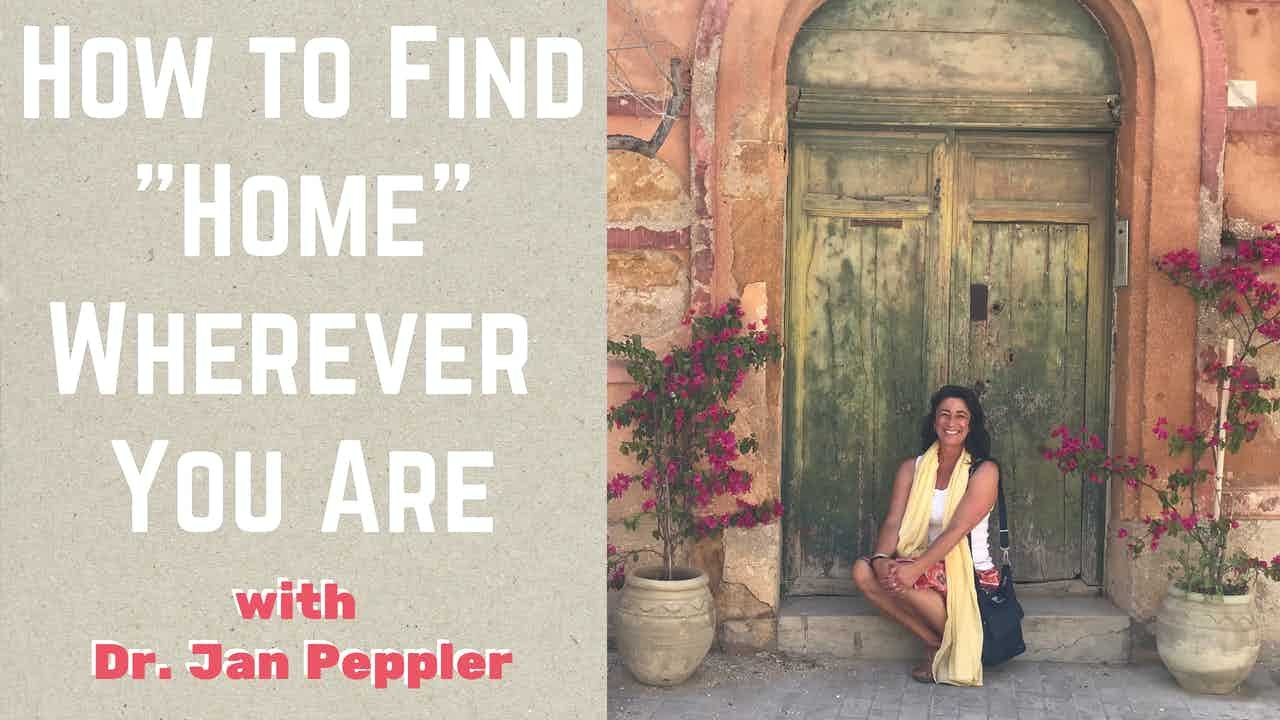
“Each of us longs for home. More than a physical space, we each desire the sense of feeling at home. But where do we find that? Why do some places feel more like home than others? How do we create home when we live far away from what feels familiar?” — Jan Peppler, PhD
Check out my conversation with Jan Peppler, PhD to learn about the psychological and archetypal underpinnings of “home” and how to feel at home wherever your are.
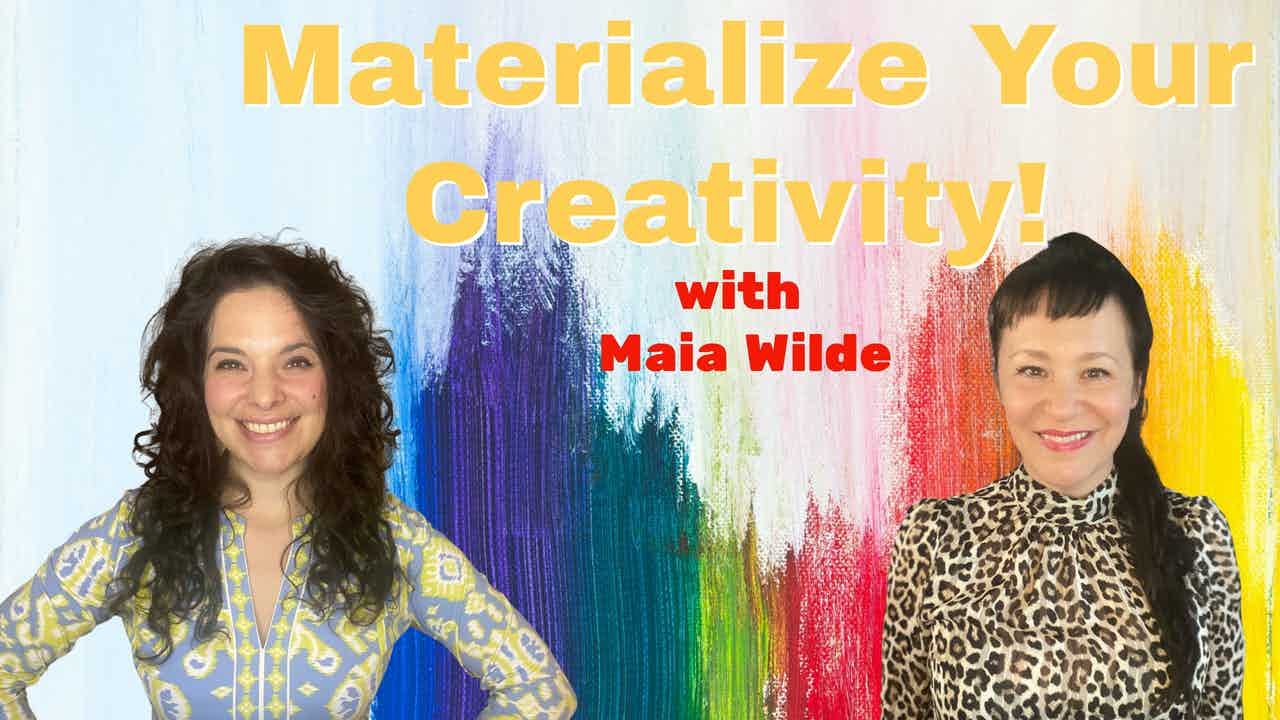
It’s easy for creative people to get stuck and bogged down in perfectionism and never quite get their creative visions off the ground. So how exactly can you materialize your creativity? Join me in conversation with Maia Wilde as she offers radically honest advice to those wanting to get out of their own way and take action on their creative visions!
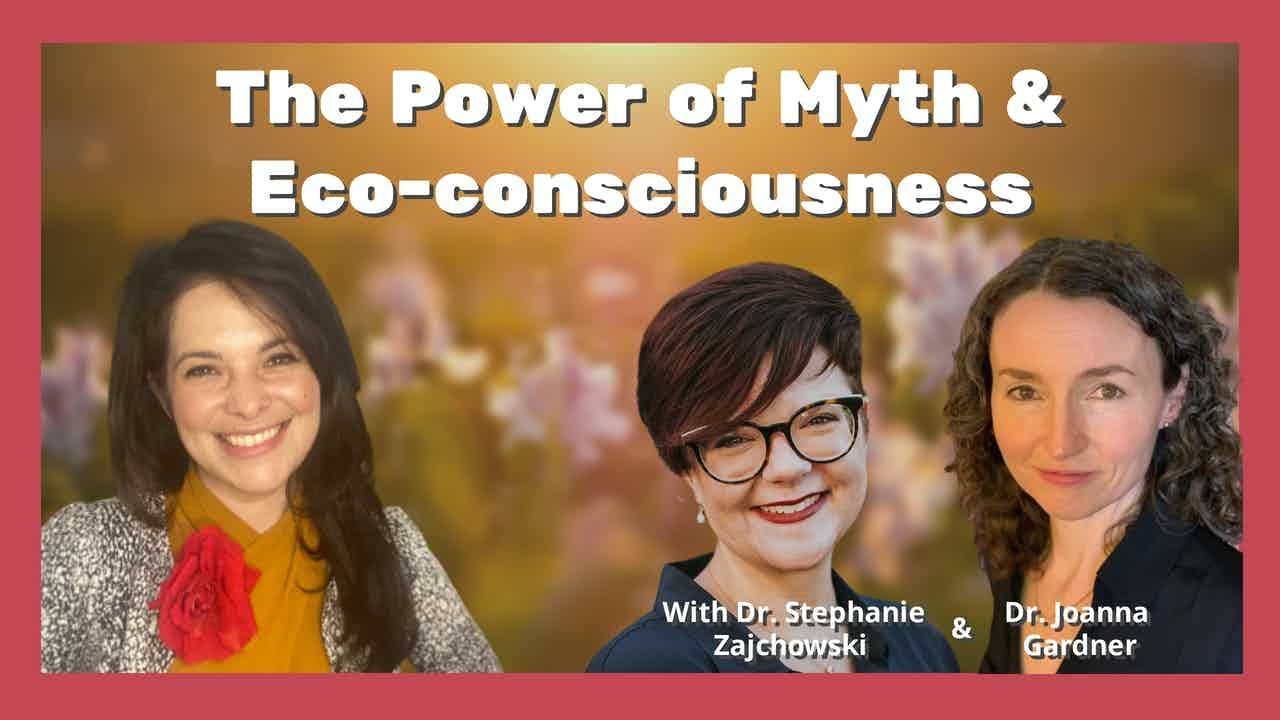
How do myth and eco-consciousness intersect? Find out in this conversation with Fates and Graces cofounders, Dr. Stephanie Zajchowski and Dr. Joanna Gardner.
Goddess News

Featured Speaker at the Mary Magdalene Studies Association annual event. Free of charge!
When: Mary Magdalene’s Feast Day, July 22nd. 8:30am - 5:30 pm Eastern Time Zone.
Where: Live On Zoom https://us02web.zoom.us/j/87530708993
Title of Presentation: “Finding Mary Magdalene: Pilgrimage as Homecoming for the Soul” (Scheduled for 1:15pm Eastern)

Featured Speaker at Fates and Graces Mythologium
When: July 29-31st 2022.
Title: “Ecological Empathy: Grief in the Age of the Anthropocene”
Registration is open through July 25th!

In May, I was invited to speak on Maia Wilde’s podcast, “Dirt Road Less Travelled,” to discuss abortion and the recent decision by SCOTUS (draft opinion at the time) to overturn Roe v. Wade. Drawing on my doctoral research, we did a deep dive into the historicity of male-centered societies and their control of women’s reproductive bodies and how this has continued into present-day America. LISTEN to our conversation.
What I’m Reading:
“Goddess Durgā and Sacred Female Power”

This book is a great beginners guide to the history and beliefs of Shakta Tantra. Laura Amazzone combines personal narrative of her first hand account of goddess pilgrimage in Nepal with a deeply researched history of goddess worship in the Hindu and Buddhist Shakta Tantra traditions.
I was excited to learn that this tradition focuses on achieving enlightenment or liberation through the body. More specifically, in this tradition, the female body is the vehicle toward enlightenment! Needless to say, sacralizing the female body is key.
I can’t recommend this book enough to those (especially women) who want to feel empowered in their body.
Feature: In Memoriam
Pearl Means & Rosemary Ruether
Pearl Means

was a film maker, Indigenous Diné activist, and author. (Photo Credit: Mark Gerke. Posted on Native News Online).
Rosemary Ruether
was a feminist theologian, scholar, and eco-feminist. She was a prolific writer, authoring several influential books including, “Gaia and God: An Ecofeminist Theology of Earth Healing.”

This book was pivotal to my understanding of how the Christian religion has justified the domination of women and nature (both codified “feminine”) through mythologies that exalt male divine power while suppressing feminine divine power.
(Photo from: Feminismandreligion.com)
Upcoming Interviews:

Dr. Joanna Kujawa
Scholar. Spiritual Detective. Author of:
“The Other Goddess: Mary Magdalene and the Goddess of Eros and Secret Knowledge”

Dr. Megan Rose
Transformational Psychologist. Pagan Scholar. Ecospiritual Priestess. Holistic Healer. Author of:
“Normalizing the Paranormal: Helping Highly Sensitive People to validate, ground & cultivate their extraordinary gifts & experiences”

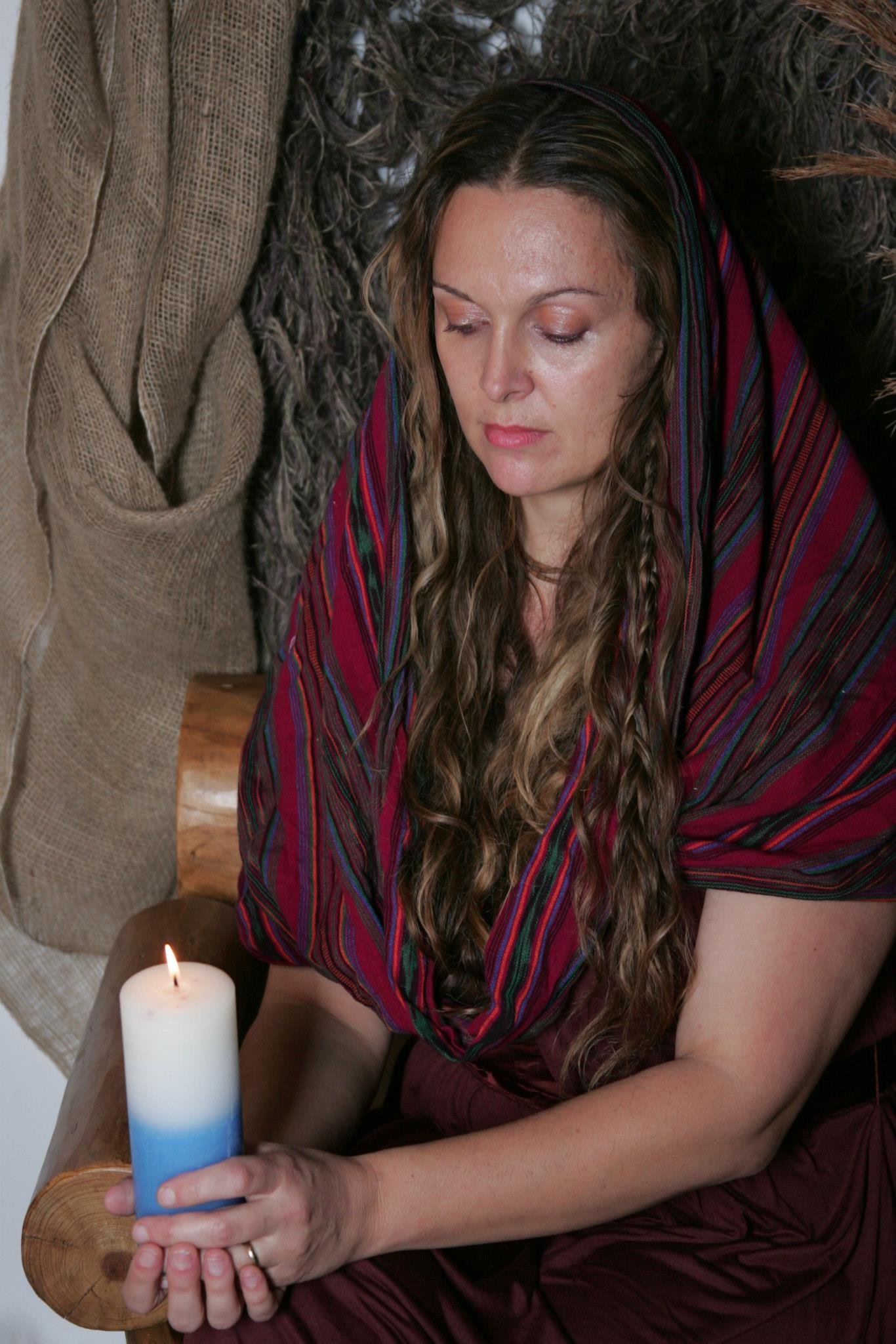
Krishna Rose
Oracle of the Grail. Prophetess. Priestess of the Magdalene. Author of:
“Woman in Red: Magdalene Speaks”
“The Other Goddess: Mary Magdalene and the Goddess of Eros and Secret Knowledge”

International Women's Day - March 2022
Years ago, I found myself sitting in a tiny, dark performance venue in NYCs Lower East Side. I was super excited to see the famed Living Theatre perform live! In the 1960s and 70s, the Living Theatre had become known for their experimental and avant-garde style and productions that were anti-war focused and critical of capitalist greed. They were, and remain, theatre for social change.
After their performance, they held a Q&A with the cast. I distinctly remember one of the younger cast-members who, through clenched teeth and shaking fists . . .
Happy International Women’s Day!
Years ago, I found myself sitting in a tiny, dark performance venue in NYCs Lower East Side. I was super excited to see the famed Living Theatre perform live! In the 1960s and 70s, the Living Theatre had become known for their experimental and avant-garde style and productions that were anti-war focused and critical of capitalist greed. They were, and remain, theatre for social change.
🌼
After their performance, they held a Q&A with the cast. I distinctly remember one of the younger cast-members who, through clenched teeth and shaking fists, seethed with anger he could hardly contain as he demanded peace and an end to war. Perplexed, I thought to myself, for a company that promotes non-violence, this is such a strange call for peace on behalf of one of their members.
🌼
It was then that I recalled a quote from Brian Browne Walker’s translation of the Hua Hu Ching, “If you want to awaken humanity, then awaken all of yourself. If you want to eliminate the suffering in the world, then eliminate all that is dark and negative in yourself.” I realized then that the world peace many of us seek can only be achieved when enough people commit to cultivating inner peace within themselves. The outer world is a collective reflection of each individual’s inner dramas and inability to face and come to terms with their own deepest fears and demons.
🌼
In a way, this is the essence behind Journey to the Goddess. When I embarked on my pilgrimage to Mary Magdalene’s sacred sites in France back in 2014, I was certain that I was going on this quest to find Her, the “real” Mary Magdalene. But by the end of my journey, I realized that my pilgrimage wasn’t really about Her at all. My outer journey to Mary Magdalen was, in actuality, an inner journey to know what it means to be a woman through the very act of seeking Her.
🌼
Thus, the Journey to the Goddess is a journey of inner awakening. And the Goddess (or god, divinity, or whatever your object of attention), is the vehicle that points the seeker in the direction of this awakening. I believe that such an awakening can cultivate an inner peace to live by, even in the midst of all the challenges the outer world presents.
🌼
It has been eight years since I first embarked on my life-long Journey to the Goddess. I still struggle with my own inner demons and my heart aches for the suffering in the world and also for our Earth Mother. And perhaps a cultivation of inner peace does not preclude compassion for one’s suffering and the suffering of others.
🌼
I fell hope for the future because of the great community of women (and men) around me who are bringing healing to the world, even if in a very (seemingly) small and simple way.
🌼
Over the past few weeks, Deva Premal and Miten have continued to chant the Gayatri mantra for peace; Lama Tsultrim Allione has invited her community to invoke the 13th Tārā, Yülle Gyaljema, “to help end war and the conditions of war”; CODEPINK, the women-led, non-violent movement for peace has continued their call for peace around the world; recognizing that women and children are disproportionately impacted by war and conflict, Women for Women International continues to bring resources and aid to women in these worldwide conflict situations; and finally, the Israel singer Yael Deckelbaum brings together women from warring communities (Israeli and Palestine, for example) to sing for peace. And these are but only a few of the women and women-led groups taking a stand for peace around the world.
🌼
Today, on International Women’s Day, I invite everyone to do one simple thing to get in touch with that peaceful place within.
🌼
This weekend, I’ll be speaking in more detail about my own Journey to the Goddess and how, to my surprise, graduate school has been central to my own spiritual blossoming. Details in the Goddess News section.
Goddess Blessings to all.
🌺 Annalisa, PhD
IN THIS NEWSLETTER:
Journey to the Goddess TV Episodes
Goddess News
What I’m Reading
Feature: Women to Follow
Upcoming Interviews
DON’T FORGET . . .
SUBSCRIBE to my YouTube channel! It’s Free!
Latest Episode:
Have you ever looked at your tarot cards and wondered if the tarot is sexist?
Dr. Lisa Skura did and decided to explore the origins of the images in one of the oldest known complete tarot decks, the Sola Busca, made in Italy in the 15th century.
Of the 5 (Lisa argues there are 6) female images in the tarot, Lisa uncovers the mythic and historical symbolism roots. She argues that the female images in the tarot go back to pre-patriarchal goddess worship and its usurpation by male-centered fool--hero myths!
The question remains: Even though the tarot as we have it today has sexist roots, can we reclaim it as empowering for women?
Find out in my most recent talk: "Exploring the Myths, Symbols, & Archetypes of the Feminine in the Sola Busca tarot" with Dr. Lisa Skura.
Vintage Episodes:
Back in January 2020, (Oh, those pre-pandemic days), I teamed up with Kris Oster, PhD to devote a 4-part series to "Sacred Pleasure and the Goddess."
In this series, Kris discusses her approach to life and business as she integrates and celebrates sacred pleasure vis-a-vis the divine feminine.
If you’re like me, you have a deep desire and passion for the work you do in the world, but struggle with workaholism, perfectionism, and “the struggle” to get it all done.
If so, then check out this conversation that's sure to give you a deeply connected and sensuously embodied approach to your work.
Goddess News
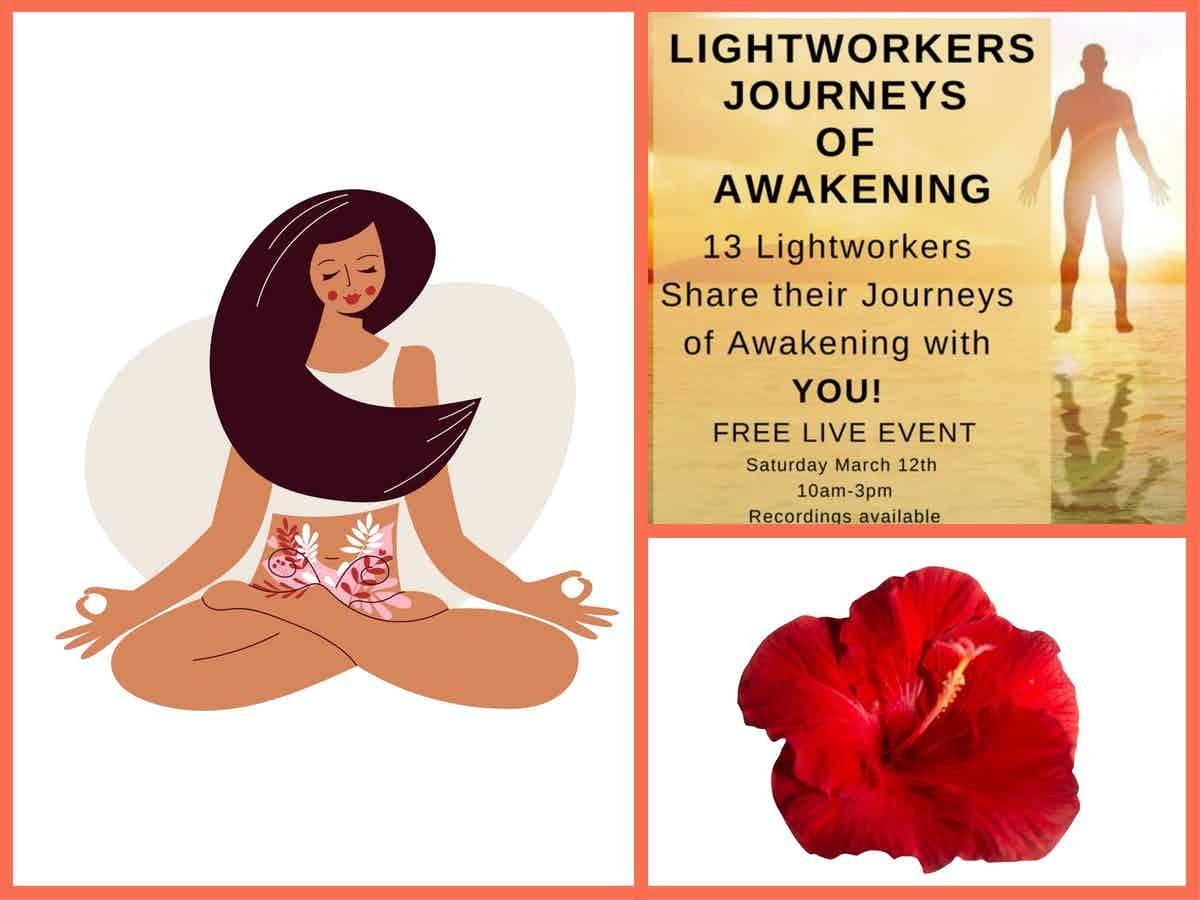
I’m thrilled to be sharing my Journey to the Goddess origin story with a new audience! Most of all, I look forward to sharing why womb healing is spiritual healing.
To join this free March 12th summit on Lightworkers Journeys of Awakening, register here: https://go.zarastarchild.com/optin-meoz08qv6d
The Association for the Study of Women and Mythology will be holding their 2022 Symposium on April 10th. For Registration, click here: ASWM SYMPOSIUM
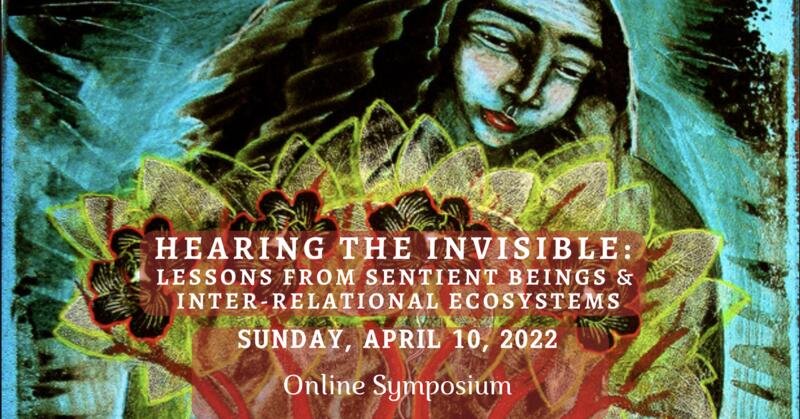

“Goddess Embroideries of Ukraine as Prayers for Peace” by Laura Shannon. Originally published on Feminism and Religion.
What I’m Reading
Honestly, I’m in the middle of at least 5 books at the moment. It reminds me of that old adage: You can take the woman out of graduate school, but you can’t take graduate school out of the woman…

“The Making of the Magdalen: Preaching and Popular Devotion in the Later Middle Ages”
I can not say that this is a pleasurable book to read, but it is a meticulously detailed account of—you got it—the making of Mary Magdalene in the mythic imaginations of the Middle Ages. It is rich in source material and offers a nuanced discussion of the many ways that sexist ideas infiltrate the making of Mary Magdalene into both a sinner and a saint. If you’re like me and you have a burning desire to know the difference between the Biblical Mary Magdalene versus the Magdalene that has come down to us today, then this is your book.
Feature: Women to Follow

I remember the first time I encountered CODEPINK. I was rushing to get myself out of Times Square as quickly as possible. I remember stopping in my tracks at the sight of this group of mostly women, dressed in bright pink, protesting for peace and the removal of US troops from Iraq. That memory has stuck with me all these years. Moreover, their clarion call for peace is more and more prescient as endless warring seems to be bringing humanity to the edge of extinction.
Originally started by Jodie Evans, Medea Benjamin, and Gael Murphy, CODEPINK is a national organization with an international reach. Their mission is rooted in and sustained by non-violent principles with one central goal in mind: to support the lives and wellbeing of human and non-human life on earth through the a commitment to peace.
As their website states: “CODEPINK is a women-led grassroots organization working to end U.S. wars and militarism, support peace and human rights initiatives, and redirect our tax dollars into healthcare, education, green jobs and other life-affirming programs.”
Last weekend, CODEPINK protests for peace in Ukraine spread across the world.
Join their movement for peace at: CODEPINK
Upcoming Interviews:

MARCH 2022
Yours Truly!
I’ll be debuting two episodes that focus on my work to “resacralize menstruation.” First up, a presentation of my doctoral work followed by a panel discussion with some amazing women.

In the following episode, I will discuss the origin story and symbolic meanings encoded in my 2018 performance piece, “A Ritual Puja for Menstruation.”
Dancing in the Dark - December 2021
Happy solstice, friends! Over the past few days, I’ve been reflecting on the Winter Solstice and the inevitable dance between dark and light.
I recognize my own resistance to prolonged darkness, cold, and the slowdown the winter season not only encourages, but simply requires of me.
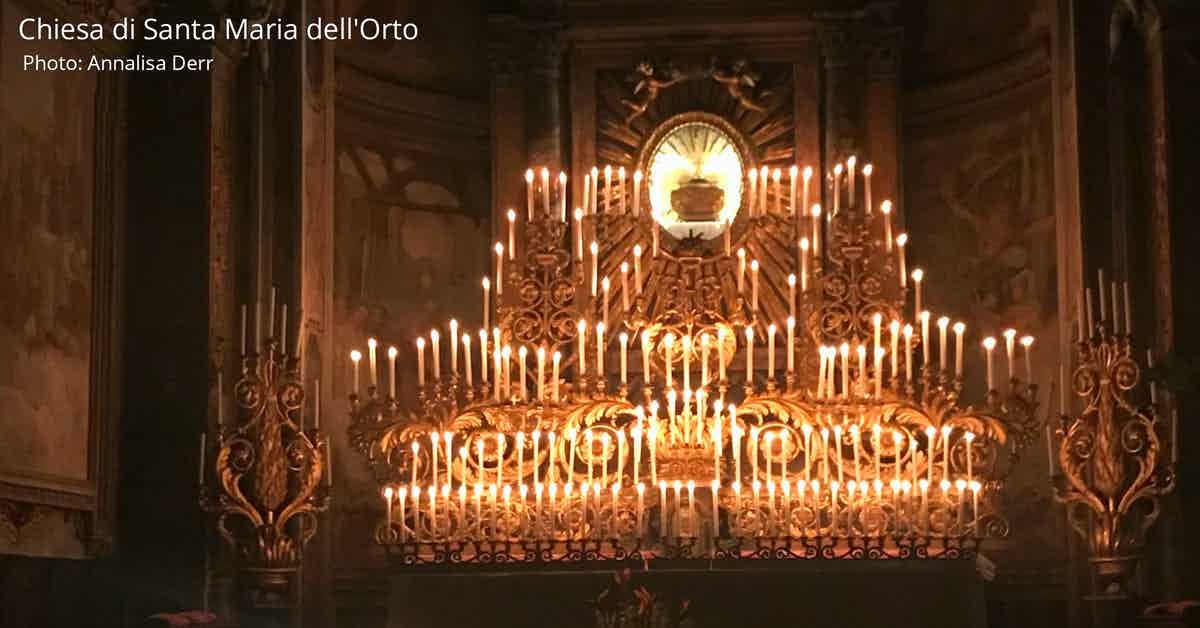
My mind’s eye continues to return to the image of a candle flame illuminating the darkness. Such as in the above image, which is a picture I took at the Church of Santa Maria dell’Orto in Rome during Easter Holy Week 2019.
In some traditions, the candle flame represents the soul as an individual emanation of the Divine. Meditation on such an image reminds me that the candle flame is brightest, strongest, and most beautiful when dancing in the dark. And more so still when the candle flame burns bright among a sea of likeminded flames.
It reminds me that no matter how dismayed I may be by the state of the world, I am surrounded by so many luminous souls who are each doing their part to—in the words of a dear friend—“be a part of the healing of this world”.
That brings me to the many illuminating conversations I have had the great pleasure to facilitate on Journey to the Goddess TV. This year. . .

Dancing in the Dark
Happy solstice, friends! Over the past few days, I’ve been reflecting on the Winter Solstice and the inevitable dance between dark and light.
I recognize my own resistance to prolonged darkness, cold, and the slowdown the winter season not only encourages, but simply requires of me.
My mind’s eye continues to return to the image of a candle flame illuminating the darkness. Such as in the above image, which is a picture I took at the Church of Santa Maria dell’Orto in Rome during Easter Holy Week 2019.
In some traditions, the candle flame represents the soul as an individual emanation of the Divine. Meditation on such an image reminds me that the candle flame is brightest, strongest, and most beautiful when dancing in the dark. And more so still when the candle flame burns bright among a sea of likeminded flames.
It reminds me that no matter how dismayed I may be by the state of the world, I am surrounded by so many luminous souls who are each doing their part to—in the words of a dear friend—“be a part of the healing of this world”.
That brings me to the many illuminating conversations I have had the great pleasure to facilitate on Journey to the Goddess TV. This year I spoke with activists, authors, dancers, scholars, and artists on a wide variety of Goddess-related topics. Some of these women include: Artist Lisa Levart and the debut of her Goddess on Earth Oracle deck (including my portrayal of Mary Magdalene); Indian classical dancer and Success Coach for women leaders, Dr. Vena Ramphal on the Yoga of Dance; as well as my Everyday Goddess collaboration with activist and soon-to-be-author, Natasha Thomas.
Most recently, I was honored to have eco-activist, Zoë Tryon, join me live from the Ecuadorian Amazon, where she works as a cultural liaison with a handful of Amazonian communities, helping them fight international corporate corruption and ecological devastation of their territories.
I am blessed to have such incredible women who inspire and uplift me on my show. Each of their lights shine bright.
Where do you find meaning and beauty in the dance between the light and the dark?
🌺 Annalisa, PhD
P.S. Every year I also aim to support and amplify a woman-centered organization. This year it is: WomenSpirit Coalition: Sta’ni Shay’i, or Washington State Native American Coalition Against Domestic Violence and Sexual Assault. Because of many complex issues of colonialism, racism, sexism, treaty violation, environmental degradation, and geopolitics, Indigenous women around the world are one of the most vulnerable human populations on Earth. This is not because they are weak—quite the contrary—instead, it is more often because so many Indigenous women are on the front lines, willing to put their lives on the line, fighting for ecological, community, and personal justice.
For more info: Native Hope, Native Women’s Association of Canada, A Modern Trail of Tears.
IN THIS NEWSLETTER:
Recent Journey to the Goddess TV Episodes
What I’m Reading
Feature: In Memoriam
Upcoming Interviews
DON’T FORGET . . .
Have you SUBSCRIBED to my YouTube channel yet? It’s Free!!
Become a Journey to the Goddess member on Patreon! Benefits include behind-the-scenes access, goddess gifts, and more!
Latest Episodes:
I’m excited to feature my conversation, “Entering the Heart of the Amazonian Womb” with eco-activist, #ZoëTryon. Join me for this riveting and timely conversation where we discuss:
🌳 What #ecoactivism is and how it is rooted in Divine Feminine / Goddess consciousness.
🌳 Some of the indigenous women on the front lines to save their communities (and by extension, the whole world), from corporation lead environmental devastation.
🌳 The fight to hold oil companies such as Chevron accountable to ecologically restore the #AmazonRainforest and its communities.
🌳 The best ways to support Indigenous communities
🌳 What each of us as individuals can do to be a part of the solution.
In “Regent Women Powerfully Stepping into Midlife”, Dr. Andrea Slominski and I dive deep into the #REGENT archetype. This emerging archetype encompasses the #spiritual, psychological, biological and cultural significance of women’s midlife. In particular, Dr. A reframes and affirms peri-menopause, #menopause, and post-menopause as a time for women to step most fully into their own. In other words, aging is a woman’s superpower.
What I’m Reading

I know, I know…I am probably a little late to the party on this one. After learning I had not yet read “The Red Tent”, my friend Toni insisted that I read it. “The Red Tent” is a remythologzation of the Genesis story of sisters Rachel and Leah, as told by Leah’s daughter, Dinah. If you’ve ever read this story in Genesis, like me, you may have felt heartbroken by the rivalry depicted between the two women. This re-imagining remedies this rift and offers a nuanced, affirmative (albeit sometimes challenging) perspective on life, love, and sisterhood.
Feature: In Memoriam

(Image by: Liza Matthews on lionsroar.com)
bell hooks
Feminist scholar, author, activist, and professor.
bell hooks—a feminist scholar and author, an activist, and a professor—transitioned on December 15th, 2021. Though I have only encountered bell hooks’ work through the works of other feminists, I have long admired her from afar.
Her impact on feminism and feminists, women and men, is undeniable and palpable.
Of the many bell hooks quotes I’ve seen posted to social media platforms since her death, this is by far my favorite:
“The one person who will never leave us, whom we will never lose, is ourself. Learning to love our female selves is where our search for love must begin.”
🌺 Goddess Blessings on your journey, bell.
About bell hooks: bell hooks Institute
A few of her more well known books:
Upcoming Interviews:

Dr. Lisa Skura
Speaking on “The Feminine in the Tarot”
The Pilgrimage Begins
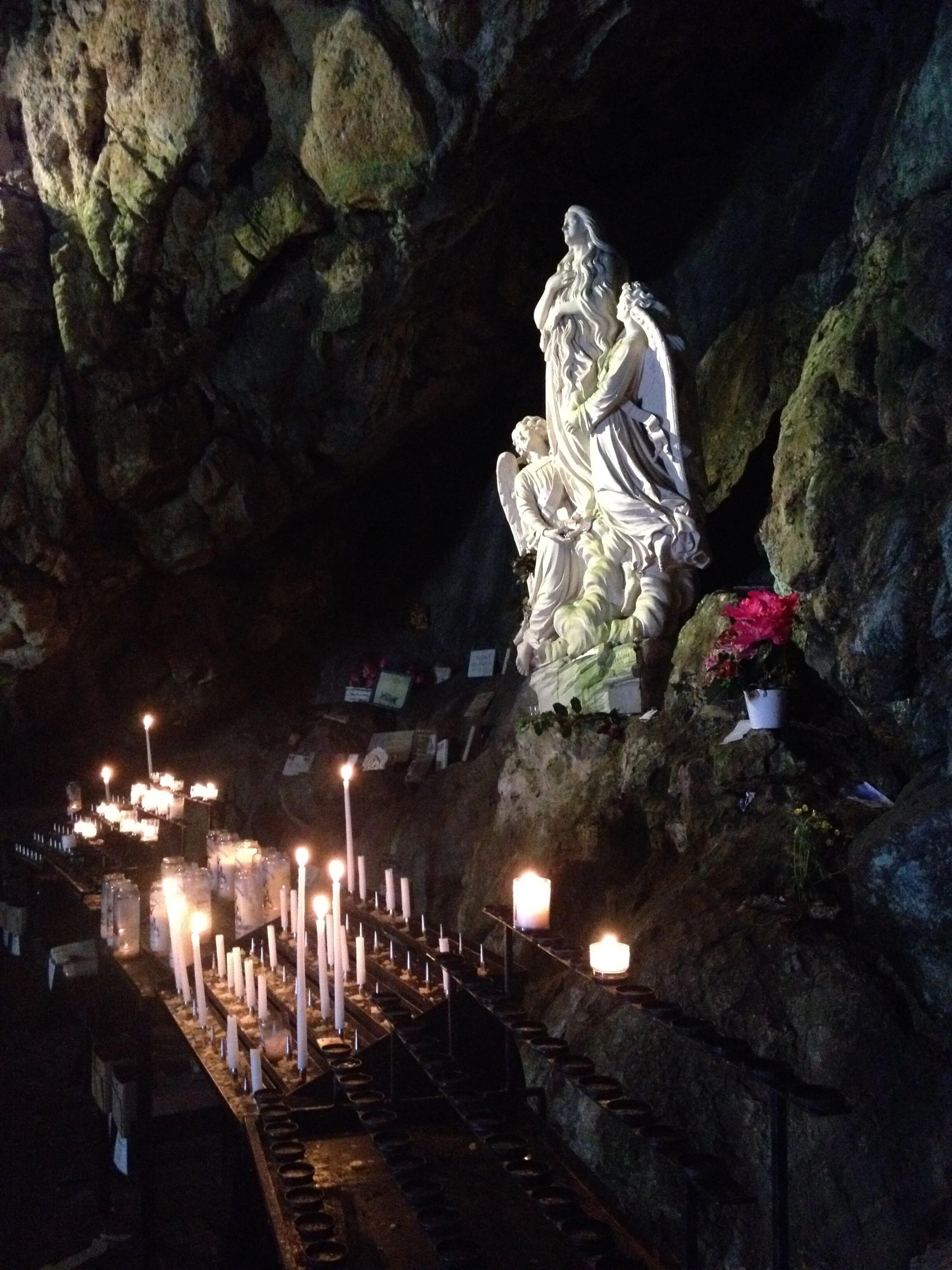
The Legend of Mary Magdalene post crucifixion is sort of a “choose your own adventure” story. However, what is commonly held as truth, in the South of France at least, is that Mary Magdalene, along with Mary Salome and Mary Jacobe were set assail in a boat belonging to Joseph of Armithea. They were in exile, fleeing the Roman Empire, and . . .
Finding Mary Magdalene Blog Series.
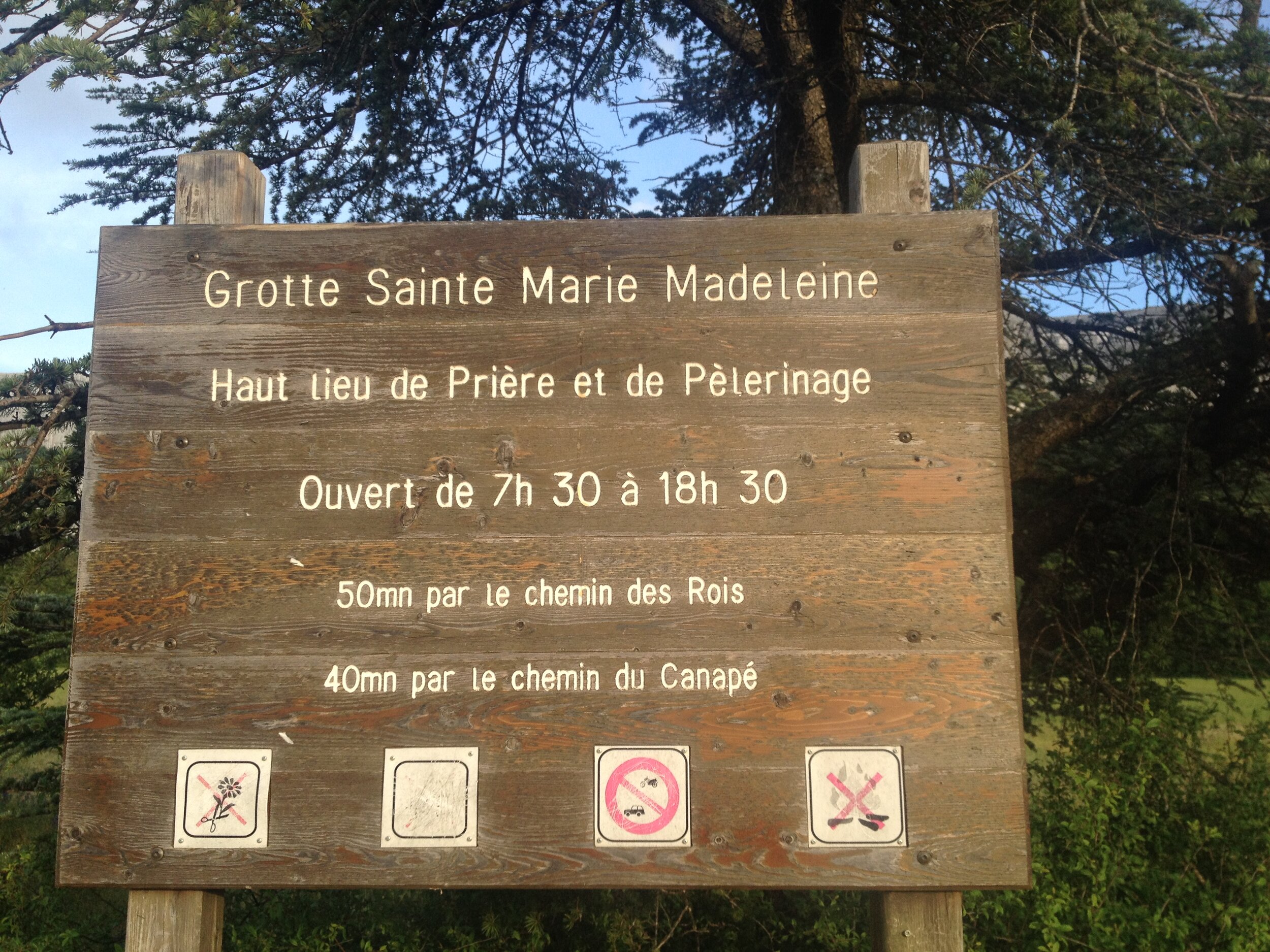
“The Grotto of La Sainte-Baume, Part 1: The Pilgrimage Begins”
Originally Published: May 27, 2014
The Legend of Mary Magdalene post crucifixion is sort of a “choose your own adventure” story. However, what is commonly held as truth, in the South of France at least, is that Mary Magdalene, along with Mary Salome and Mary Jacobe were set assail in a boat belonging to Joseph of Arimathea. They were in exile, fleeing the Roman Empire, and determined to spread the message of The Way, as expressed by Jesus. Their ship landed upon the shores of what was once known as Gaul, but today is known as the Camargue region of France, in a little sea-town called Saintes-Maries-de-la-Mer.
Although there are many variations on the Mary Magdalene legend throughout the region, the dominant version is that, after preaching the gospel to the inhabitants of Provence, Magdalene eventually made her way to the cave, La Sainte-Baume. There she spent thirty years in prayer and meditation, taken to the heavens by angels every hour of the day for material and spiritual sustenance. And this is where my story begins:
La Sainte-Baume is a pilgrim site at the base of Le Plan d’Aups. One must rent a car to get there, which, admittedly scared the crap out of me. For months I had been worrying about driving in France. Well, long story short, I finally made it to the Aix-en-Provence train station to pick up my car: a compact citroen diesal engine - tiny, lightweight, and non-descript. After several deep breaths, as if preparing myself for child-birth, I began my engine and took off for La Sainte-Baume.
Wanting to ease into my European driving experience, I chose to avoid the highways and instead took the back route from Aix to Saint-Maximin and then onto La Sainte-Baume. After about ten minutes, the English-accented GPS guide and I had a running joke about his constant command to “Cross the round-about.”
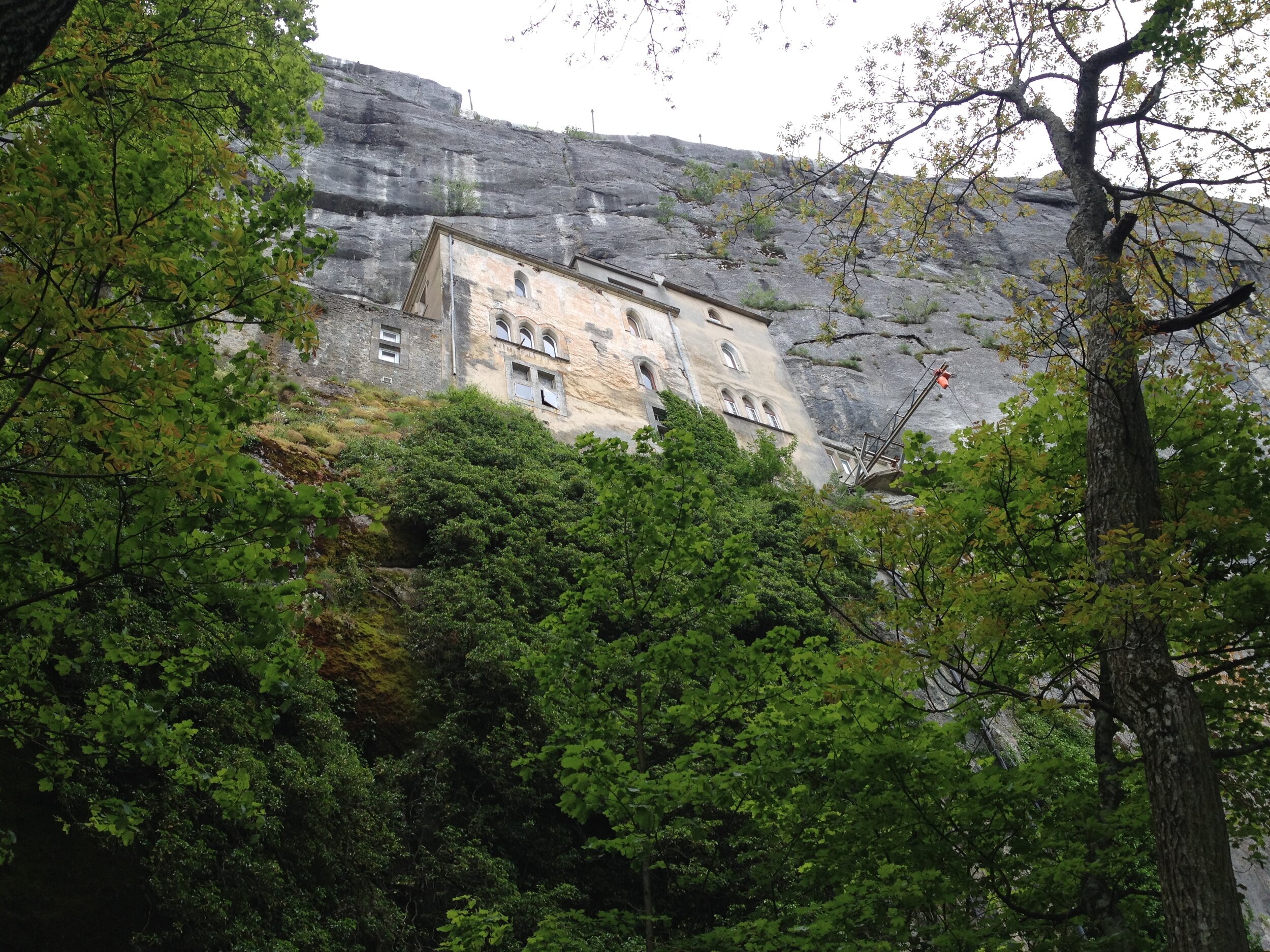
The drive to Le Plan d’Aups was stunning. I drove through vineyards and unpaved countryside roads. After climbing from Nans-les-Pins to the base of Le Plan d’Aups, on what was practically a single-lane road, I came upon it: La Hostellerie de La Sainte Baume. The Hostellerie is a functioning monastery run by the Dominican order. They hold daily mass in the Hostellerie as well as in the cave of Sainte-Baume.
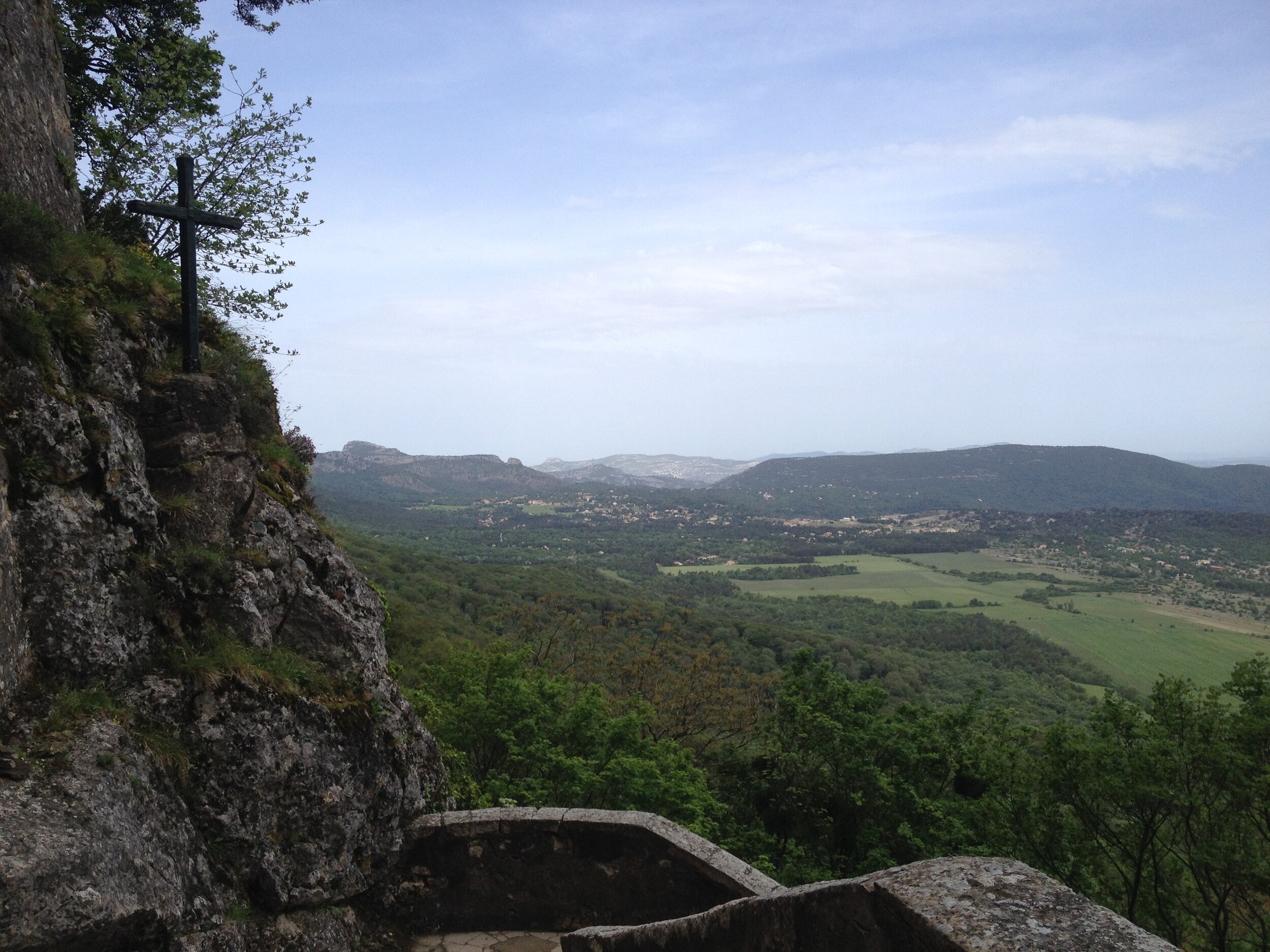
After depositing my baggage, I took a walk outside. The cave-turned-monastery lay just above the tree tops, awaiting my arrival the following day. I walked through the ancient untamed grass strewn with poppies and crickets. I felt the wind upon my face–which I was later told was coming eastward from Greece…ahhh, only a French man could make such a statement sound so romantic! I imagined Mary Magdalene walking upon this land 2,000 years ago. I slept well, knowing I was in the care of Mary.
The following day at the communal breakfast–which included a morning prayer and Sunday School songs–I met 17-year-old Marie, her mother Jean and grandmother Marie-Therese. This encounter put my French language skills to the test, as these ladies spoke almost no English. So, I braced myself, and allowed our mutual passion for Mary Magdalene guide the way.
Jean asked me why I had come all this way, by myself, to La Sainte-Baume. I told her, “For Mary Magdalene. Why? Because I love her.” Jean looked me with piercing intensity, and said, “It is because she had so much love for Jesus.” Taken aback by the simple, yet deeply resonate statement, I could do nothing but nod in sincere agreement. It was then I understood the real impact Mary Magdalene has had on her beloved followers for millennia.
I looked around the room and suddenly realized that it was full of people with a deep love and reverence for one of the most important women in Jesus’s life. Many of us had different interpretations of this love, but it was the pureness of Mary’s love–not a religious pureness, but the pure potential of unconditional love–that brought us together. And it wasn’t just me. Hundreds of people come to La Sainte-Baume every day to hike to the cave and honor her.
Marie and I climbed to the top, so deep in our conversation, alla Franglais, that I didn’t notice the challenge of the steep climb. As we reached the base of the monastery, a stillness came over us.
The potency of the Sacred Feminine was in the statues of women surrounding and grieving at the foot of the cross. A life-sized scuplture of Mother Mary holding the lifeless Jesus with Mary Magdalene weeping at his feet sits across from the entrance to the cave.
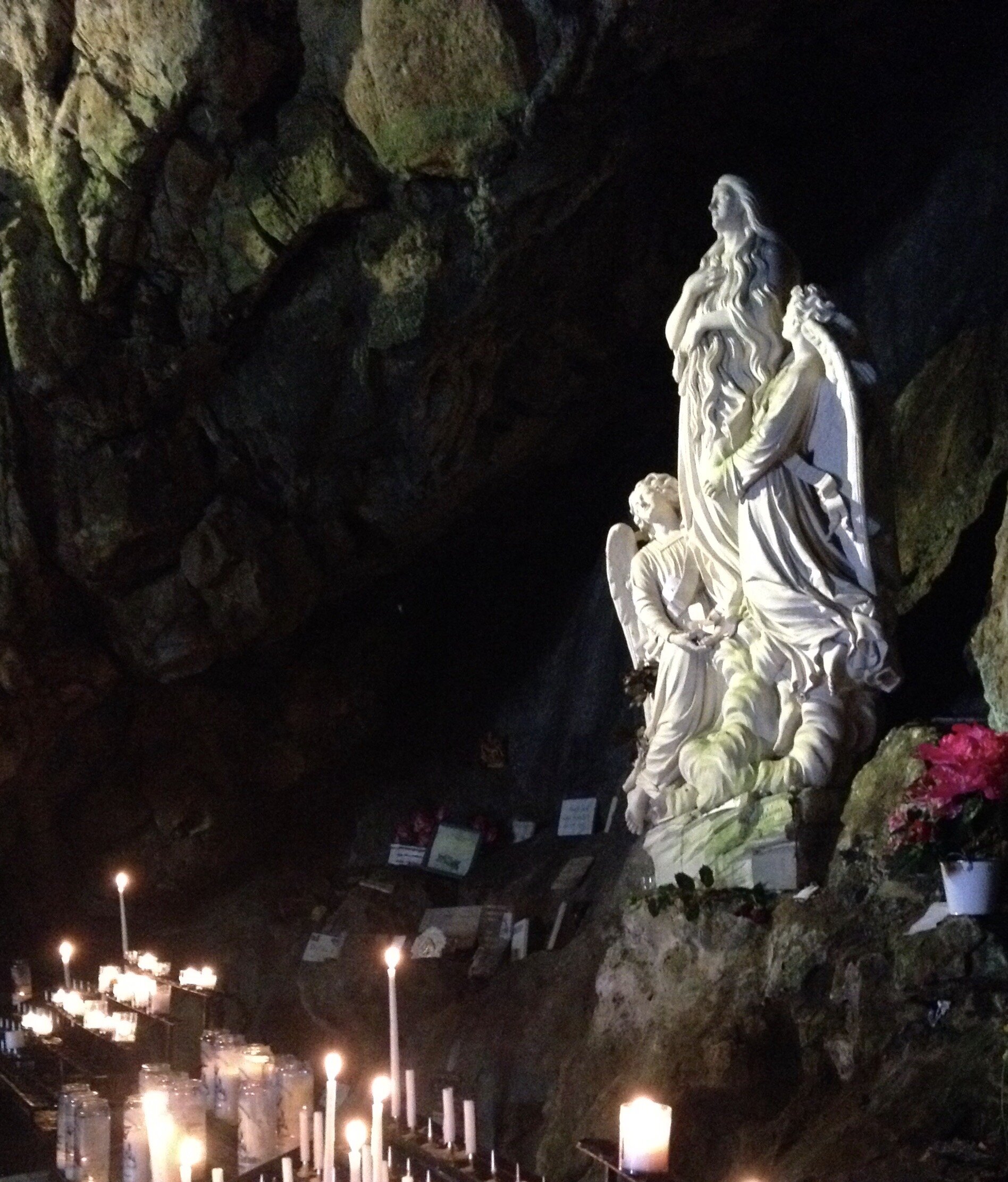
As Marie and I entered the cave, a cool dampness embraced us. I could hear the dripping of water. The haunting glow of the candles allowed the presence of Mary to become very real.
I felt drawn to the furthest most corner of the cave down at the base of the staircase. Walking in silence, I turned the corner, and saw the statue of Mary Magdalene, cross in hand, in agony over her loss. After investigating the rest of the cave, I soon returned to this corner, feeling Mary’s presence strongest there. There I remained, in prayer and gratitude, for such a woman; a woman who has been misinterpreted and debased for too long.
The four of us stayed on for 11 AM Mass. The chanting of the priests rang like bells in the cavernous space….At the end of the day, France is a Catholic country, and the Dominicans are a Catholic order. And for many of them, Mary is important because of the profound love and devotion she had for Christ. Officially, she showed this love and devotion through her act of penance, as well as for her role as the “Disciple of the Disciples,” who spread the message of Jesus throughout the region. SHE brought the message of The Light and The Way–which was synonymous with her profound love and devotion–to France.
Marie eventually asked me my beliefs concerning Christ and Mary, to which I gently explained that, for me, Jesus and Mary represent the masculine and feminine faces of God. She told me she believes that Jesus is the one and true God and that Mary was his devoted disciple. I smiled and told her that I respect all points of view and at the end of the day, it is Mary’s profound love, devotion, and strength that connects us all.
After parting ways with my companions, I had lunch, but did not feel at ease. I heard the call in my heart and knew I needed to return to Mary, in that cave, and in that moment. I practically ran up the mountain. Reaching the top, out of breath, I entered the cave and was embraced by her love. I went directly for my hidden corner and prayed and asked for guidance. As I sat in meditation, she responded, “Just listen.” I laughed to myself at this simple and often repeated advice. Then and there, I stopped asking questions and surrendered to the way she would have me go and be.
Some time later, I discovered I had missed a statue of Mary behind the Priest’s altar. Here Mary appeared to recline in a somewhat erotic manner. Many notes and flowers were left, along with engravings–the oldest of which from 1863–bearing her gratitude.
And then, suddenly, I heard it. I listened, and she spoke. She asked me to give her a ceremony the following day upon my return to the cave.
Suddenly all was well. I knew the mission I had before me. I descended the mountain light-filled with joy.
That evening was filled with laughter as I met several new pilgrims; all forcing me to express my adoration for Mary in simple, yet direct ways, allowing our shared passion to do the talking.
READ NEXT POST: “The Anointed”