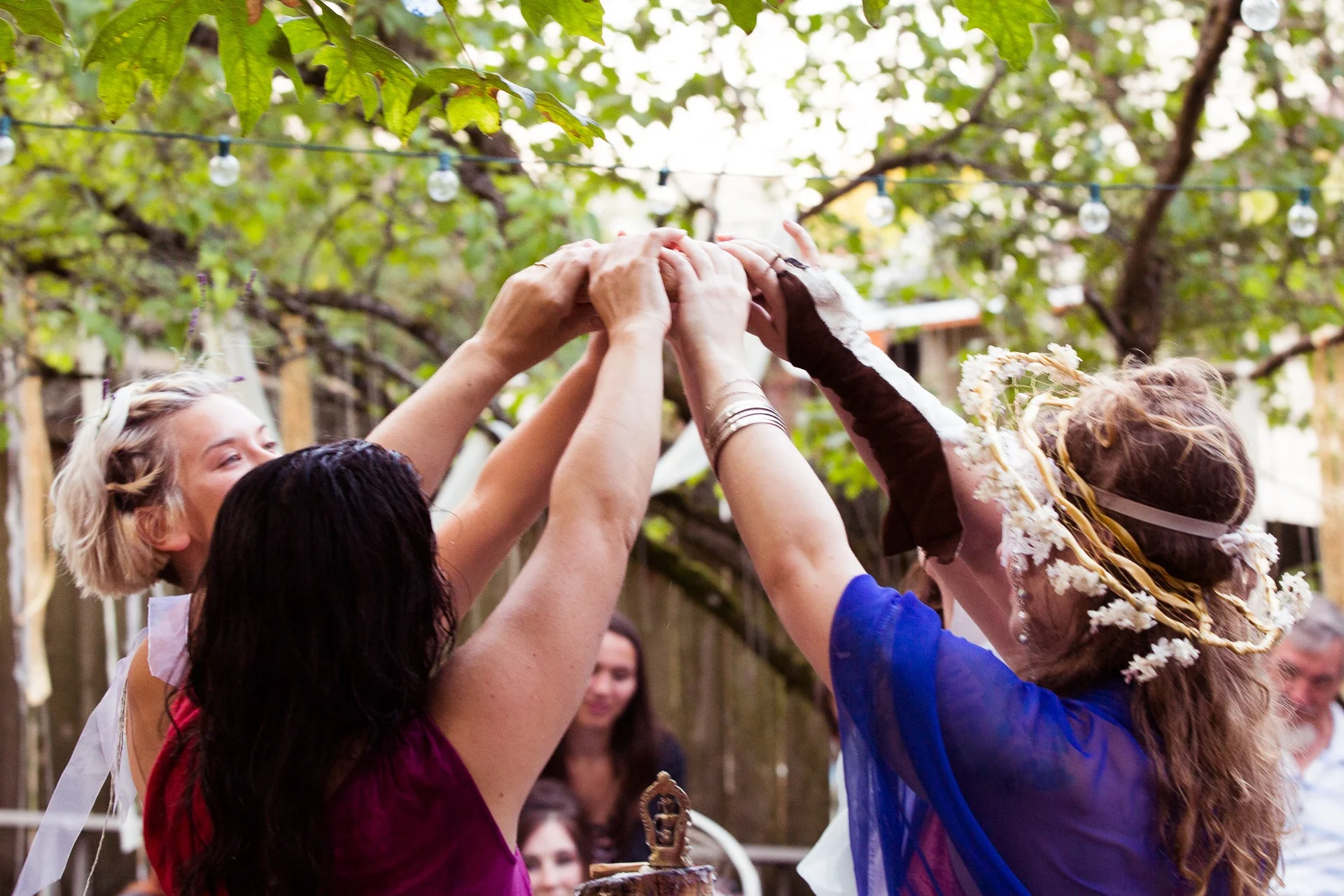
Journey to the Goddess
Scholarship -Embodiment - Sacred Feminine Power
Photo by Bryan Anton
Journey to the Goddess
From Patriarchal Daughter to Sovereign Woman
An archetypal journey through goddess scholarship, ritual, & embodied experience.
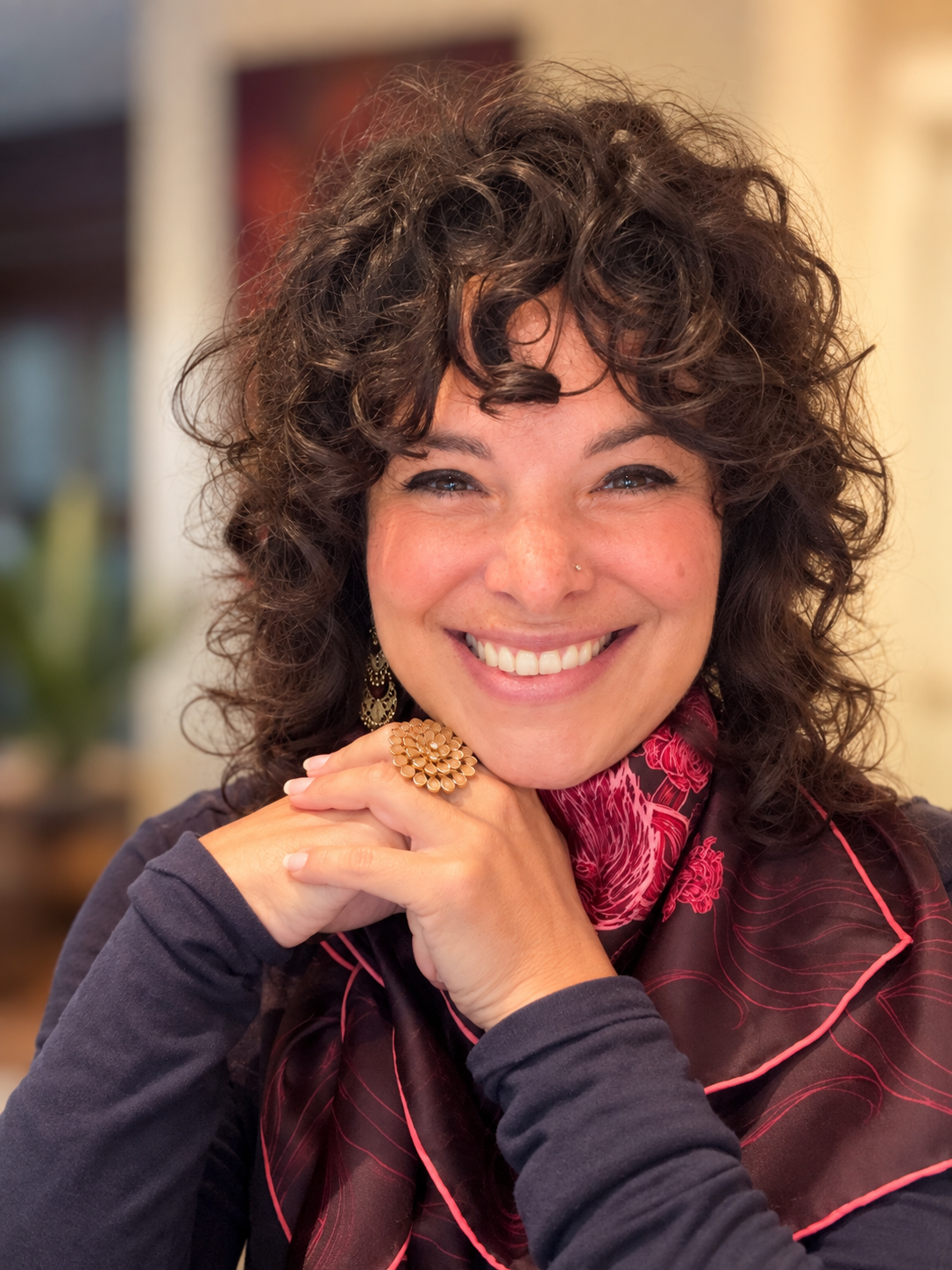
About Annalisa
Annalisa Derr, PhD, is a goddess studies scholar, pilgrimage leader, ritual performance artist, and author of Sovereign Menstrual Power: Embodying Cyclical Regeneration with the Goddess Inanna (Inner Traditions, December 2026). She holds a PhD in Mythological Studies with an emphasis in Depth Psychology from Pacifica Graduate Institute and a BA in Theatre with specialized training in masked and physical performance.
Seeking embodied approaches to her research, Annalisa developed the site-specific, goddess-centered, menstrual art performance series, “She Bleeds the World into Existence.” She has presented these original and one-time-only ritual performances in Italy, Greece, and California.
Annalisa co-hosts Goddess Matters, a panel talk show featuring voices in goddess scholarship and spirituality. She also leads embodiment workshops and guides sacred feminine pilgrimages in France.
She serves on the 2027 Association for the Study of Women and Mythology conference planning committee and previously served on ASWM’s 2026 symposium planning committee and the 2025 Sarasvati Nonfiction Book Award committee. She was also featured as Mary Magdalene in Lisa Levart’s Goddess on Earth Oracle Deck.
Annalisa divides her time between Greece and California.
Pre-order Sovereign Menstrual Power: https://www.innertraditions.com/sovereign-menstrual-power
Inspiration: Why Journey to the Goddess?
Journey to the Goddess was born from two interwoven questions that explore how patriarchal narratives have shaped our inherited ideas of what it means to be a woman and also what lies on beyond that conditioning.
What does it mean to be a women through the eyes of the Goddess?
What does it mean to be a woman unmediated by patriarchal socialization?
For millennia, Western culture has taught women to distrust and feel ashamed of our female bodies. Narratives of female inferiority and female danger—which is repeated in many of our philosophic, religious, political, scientific, and medical traditions—run deep into our collective history and continue to shape women’s lives today. These narratives affect us psychologically, physically, economically, politically, and spiritually.
Yet, when we look further into our deep cultural past, we find striking images and stories of female divinity, prominence, and power in which women and goddesses embody qualities that patriarchal cultures have often denied, suppressed, and appropriated.
These harmful and discriminating narratives do not only exist outside of us; the also live inside our pysches. Through patriarchal socialization, women learn to internalize them, turning us into what Jungian analyst Sylvia Brinton Perera called, “Patriarchal Daughters.” We learn to see and understand oursevles, our bodies, our desires, our power, and even our relationship to the sacred through male-centered lenses, definitions, and oritentations to the world.
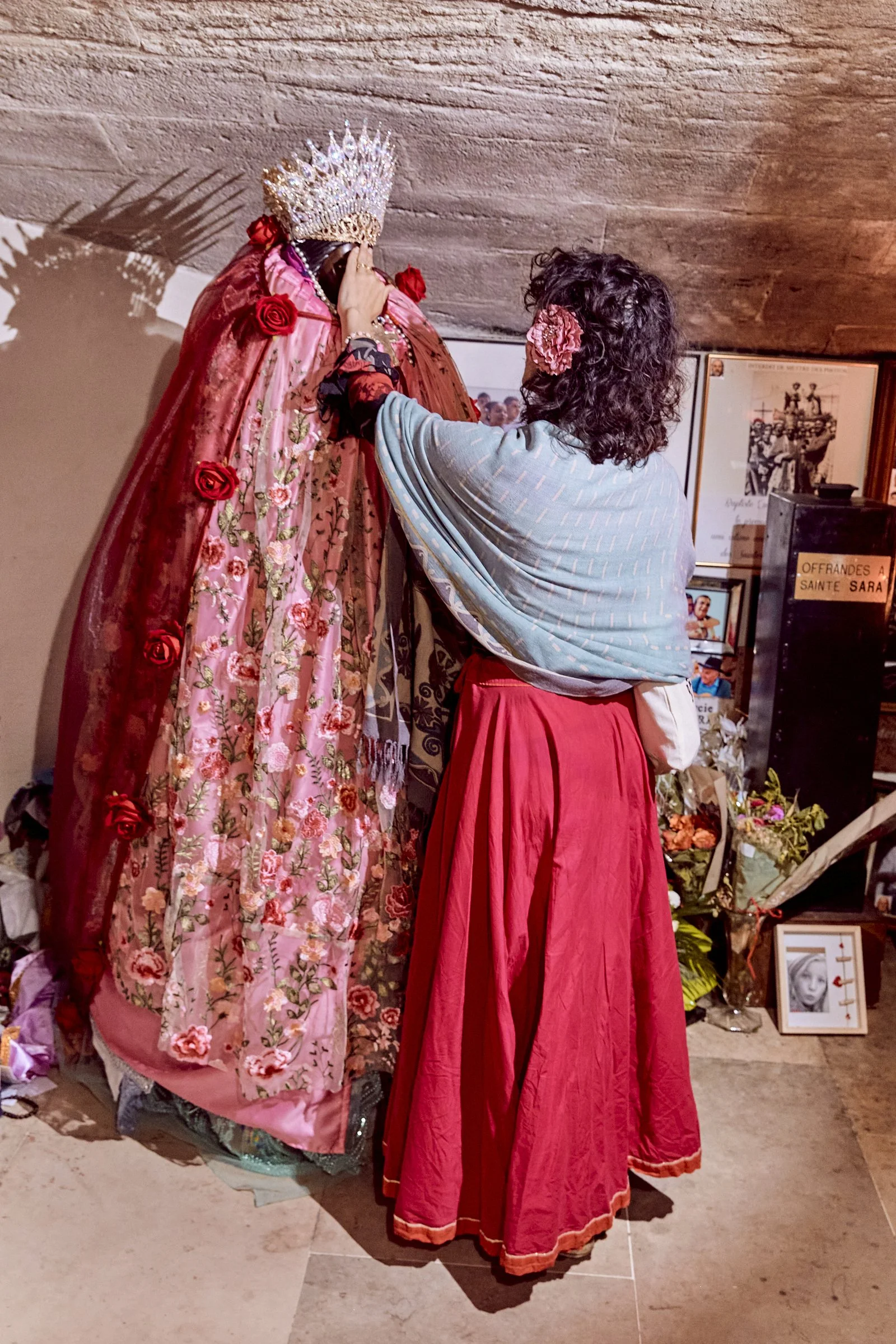
My search for life-affirming meanings of what is means to be a woman propelled me on my own Journey to the Goddess. I have found that goddess archetypes collectively represent the fullest spectrum and potential of whole womanhood. Collectively, they offer us empowering sacred keys: female power, grief, anger, sensuality, wisdom, strategy, reciproicty, magnestism, vitality, erotic aliveness, embodied awareness of cycles, and the chthonic wisdom of death and rebirth Thus, the Journey to the Goddess is about learning how to go beyond the patriarchal fantasy of what it means to be a woman, transforming the patriarchal daughter within, while discovering and embodying the Sovereign Woman who emerges from the inside out.
Ultimately, I believe that the Journey to the Goddess is both an outer and an inner journey: a journey toward reclaiming our feminine sovereignty, deepening our relationship with ourselves, and cultivating a direct experience of the living presence of the Goddess.
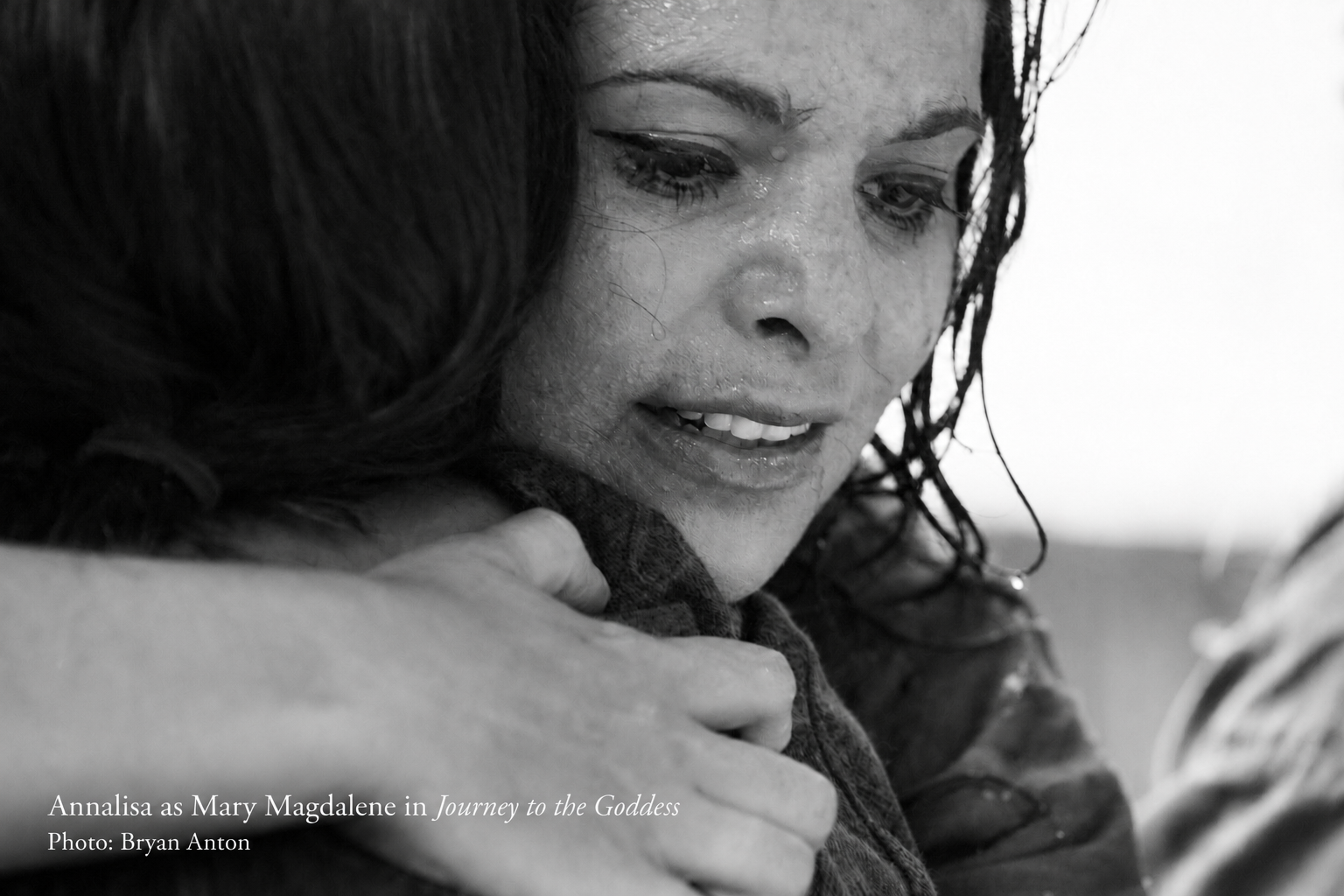
My Origin Story
I reached out to place my hand on the statue of Mary Magdalene one last time. As my hand made contact with her knee, a drop of water fell from the cave ceiling and landed on my third eye.
For a moment I froze. I could hardly believe that Mary Magdalene had communicated with me in such a direct yet profound way.
“I’ve been anointed,” I exclaimed quietly inside my head.
I looked around to see if anyone else had witnessed what had just happened. No one had. In that moment I realized it was a private exchange shared only between Mary and me inside her hidden cave sanctuary in the hills of Provence.
Two years prior to my journey to this Mary Magdalene cave, I experienced goddess worship for the first time while traveling through India. It was overwhelming. The goddess was worshipped not simply as a theological concept, but as an indwelling presence within people (especially women), animals, plants, and the earth.
In a moment of clarity—or perhaps divine grace—I saw the difference between this goddess-centric tradition and the goddess-phobic tradition I had grown up within. This moment of insight ignited in me the quest to find the missing goddess within the Christian tradition. Soon afterward, Mary Magdalene became my guide and companion on this journey.
My Lineages