
GODDESS BLOG
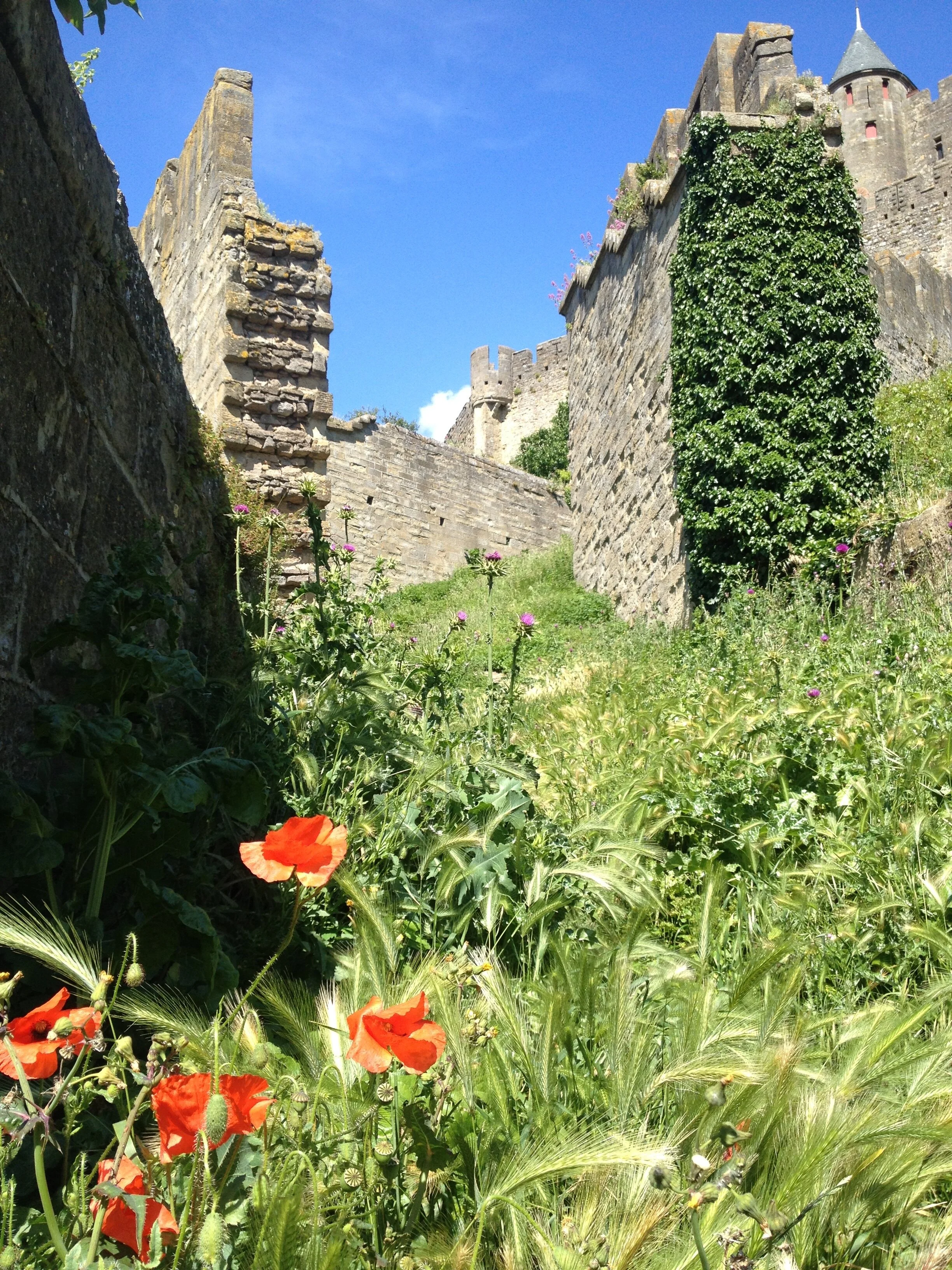
The Fortified Medieval Castle of Carcassonne
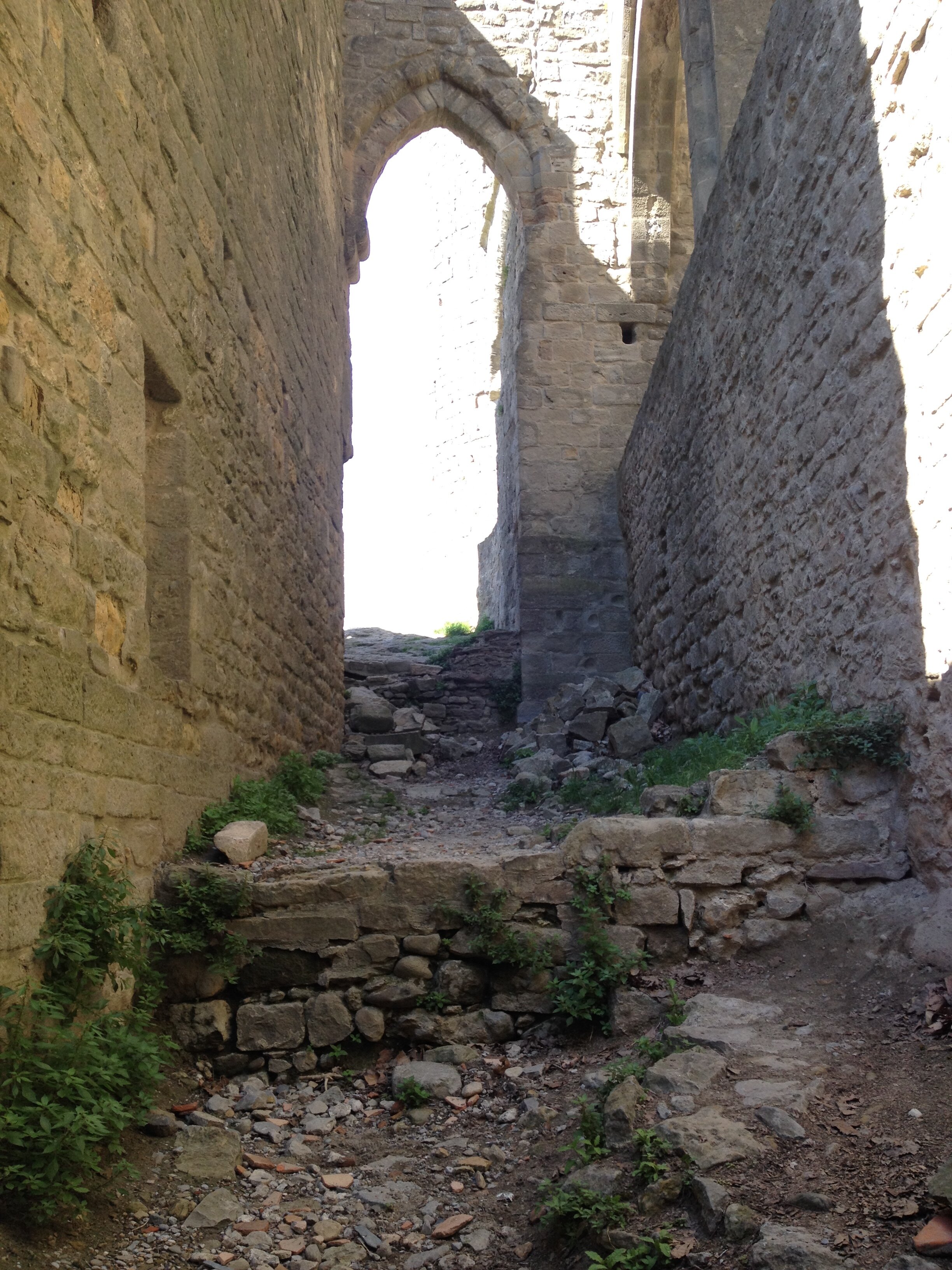
Continuing on, I toured the contours of the castle. I explored the Basilique of Sainte Nazaire, discovering a magnificent life-size marble engraving of a Knight Templar, supposed protectors of the Cathars. At the right of this knight, stood a statue of Saint Anna, my patron saint, sitting with her young daughter, the Virgin Mary. Stained glass windows seemed to contain the symbols, and messages, of a suppressed wisdom . . .




Finding Mary Magdalene Blog Series.
“Languedoc, Part 1: The Fortified Medieval Castle of Carcassonne”
Originally Published: June 12, 2014
Because of my hotel mishap in Les Maries, I had an extra day at my disposal. I decided to use that as an opportunity to spend a night in Arles.
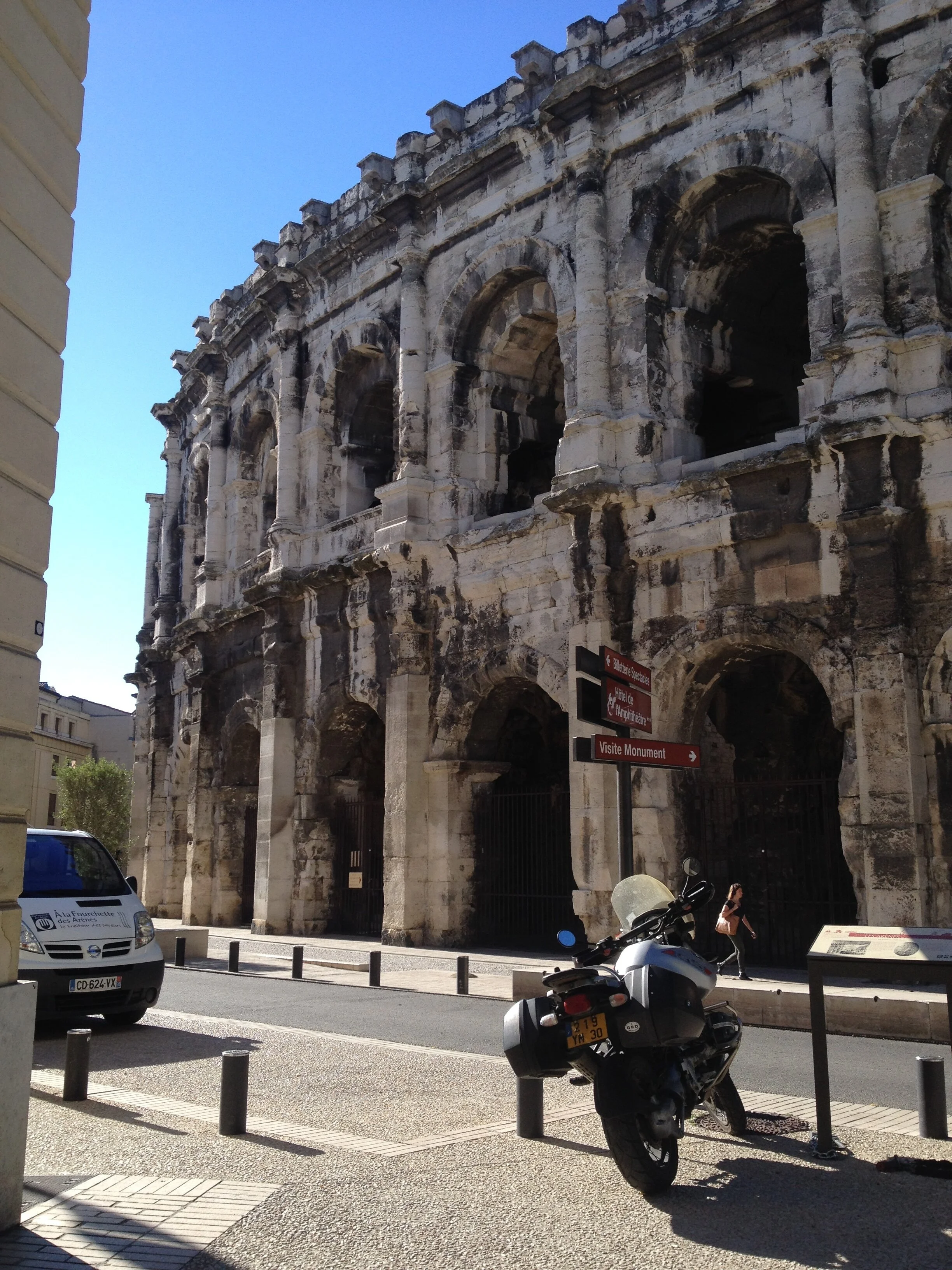
Arles has a reputation for being one of the most charming cities in southern France; and boy, does it live up to its reputation! Teeming with life and verve, Arles was the final home and inspiration for some of van Gogh’s most famous paintings. It sits along the Rhone and has been colonized by many peoples, most notably, the Romans. It at once feels very Italian–complete with a fully intact Roman amphitheater–yet oozes French charm.
Hôtel - Musée, my hotel for the night, provided me with the perfect backdrop to complete my French Country Dream. Chic, warm and cozy, my room smelled of lavender. Aged green shutters opened up to a glorious view of the quaint patio below that was adorned with jasmine, roses and climbing vines; terracotta tiles and cast iron patio furniture.
I spent the evening walking in a dream world. I found a neighborhood cafe and quickly made myself at home. A glass of wine and fondue, and viola, my life was complete.
I awoke the next morning with a sadness in my heart, and made my way to Nîmes.
Nîmes is also a former Roman colony, but has the underlying feeling of brute force, lacking the quaint charm of Arles. I stayed an uneventful night there, before heading to my final pilgrim site, Carcassonne.
Carcassonne cite is a fortified medieval city that embodies, among other historically important events and peoples, the wisdom of the Cathars and Templars.
After plopping my stuff in the hotel, I decided to spend the rest of the afternoon exploring the medieval castle at the heart of the city. I made my way over the ancient bridge that connected the ville basse with the cite. I explored the park on either side of the river, quietly listening for the hushed voices of the city’s guardians. Following their lead, I sat near the river, digging my hands into the moist earth, absorbing the centuries of history that had traversed this land.
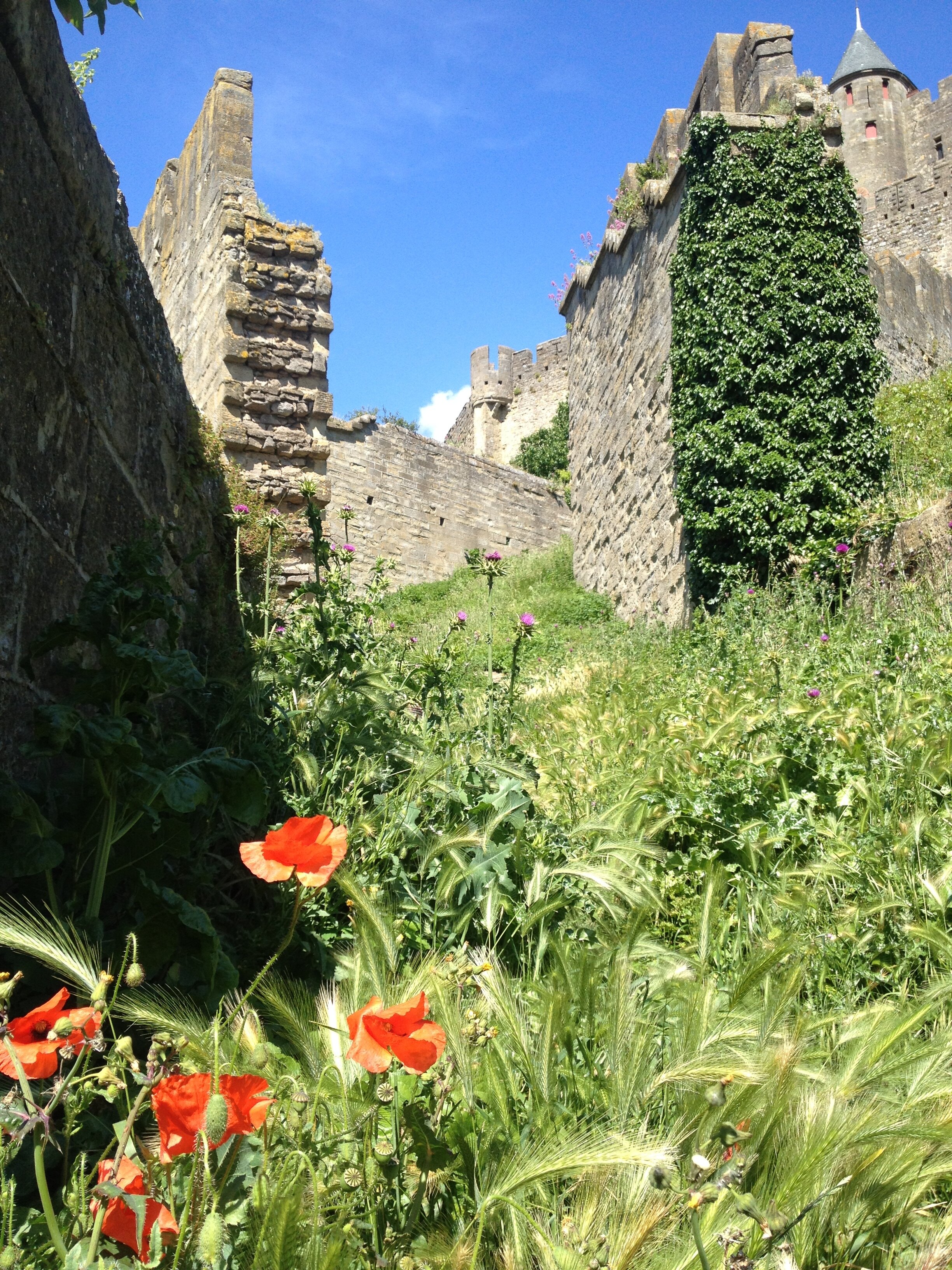
Feeling the “call of the castle,” I made my way to an ancient pathway, that I imagined once welcomed returning heroes along its route. Overgrown with weeds and wildflowers, remnants of the ancient stone way remain. I looked up and felt the brute strength it took to build these walls. I felt the sweat of the hundreds of men who spent their lives building this fortress, in service of the kingdom. And then I sensed him; a knight who had returned from battle, longing to be in the embrace of his secret lover. His presence so strong, I wondered: was that me in a past life?
A force compelled me further along the path. No longer in everyday use, I wondered if I had discovered a secret portal to another realm. I climbed, and to my surprise, found myself at an entry point beyond the first layer of castle walls.
I was called to a large, non-descript wooden door. Reaching out to touch the door, I remembered. I remembered what it was like to be her, the princess or nobelwoman awaiting her knight, in secret. Their love affair, forbidden. In a flash, the entirety of their romance and tragic end came into my consciousness, as I felt her anticipation, and her pain. Every corner I turned, contained more memories of their romance: their hopes and dreams, and their love.
In my heart, I could hear her say, “I am sorry my love. Please forgive me. I am so sorry.” Tears flooded my eyes, and I felt immense pain for the hurt she had caused this man.
And so, with the encouragement of Mary, I prepared myself to do a ceremony in remembrance, and to release this past trauma. I didn’t know where or how, but I knew the answer would come to me in time.
Continuing on, I toured the contours of the castle. I explored the Basilique of Sainte Nazaire, discovering a magnificent life-size marble engraving of a Knight Templar, supposed protectors of the Cathars. At the right of this knight, stood a statue of Saint Anna, my patron saint, sitting with her young daughter, the Virgin Mary. Stained glass windows seemed to contain the symbols, and messages, of a suppressed wisdom.
For dinner, I splurged on a fabulous pork cassoulet, famous cuisine from the region.
As the sun began to set, I decided to head home. However, my path took me just along the outside of the castle walls. Heeding her call, Mary had found a place for me to perform a small ceremony, softly illuminated by the last remaining orange and pink rays of sun.
Not-so-elegantly, I waded through the tall grass, reaching out toward the castle wall for support. I pulled out my stones–some of which I had found earlier by the river–and looked out over the town below. Crying, I felt a burden lift from my spirit.
Upon my descent, I took the same route down, as I had up. Acknowledging that this was the last time I would ever need to walk these steps, I left a poppy in the wall–a gift she would have given him long ago–as a remembrance of the love shared between the star-crossed lovers.
As I approached the parking lot, the sun had nearly set, and I turned to have one more glance at the castle. In my mind’s eye, I could see the couple waiving me goodbye. Happy and liberated, they were free to live in their bliss for eternity, and I free to find my own.
That night, I slept well. With two more days left, and many sites still to visit, I felt at peace, and wondered what the next days would bring.
READ NEXT BLOG: The Angel Sanctuary of Alet-les-Bains
The Pilgrimage Begins
The Legend of Mary Magdalene post crucifixion is sort of a “choose your own adventure” story. However, what is commonly held as truth, in the South of France at least, is that Mary Magdalene, along with Mary Salome and Mary Jacobe were set assail in a boat belonging to Joseph of Armithea. They were in exile, fleeing the Roman Empire, and . . .
Finding Mary Magdalene Blog Series.
“The Grotto of La Sainte-Baume, Part 1: The Pilgrimage Begins”
Originally Published: May 27, 2014
The Legend of Mary Magdalene post crucifixion is sort of a “choose your own adventure” story. However, what is commonly held as truth, in the South of France at least, is that Mary Magdalene, along with Mary Salome and Mary Jacobe were set assail in a boat belonging to Joseph of Arimathea. They were in exile, fleeing the Roman Empire, and determined to spread the message of The Way, as expressed by Jesus. Their ship landed upon the shores of what was once known as Gaul, but today is known as the Camargue region of France, in a little sea-town called Saintes-Maries-de-la-Mer.
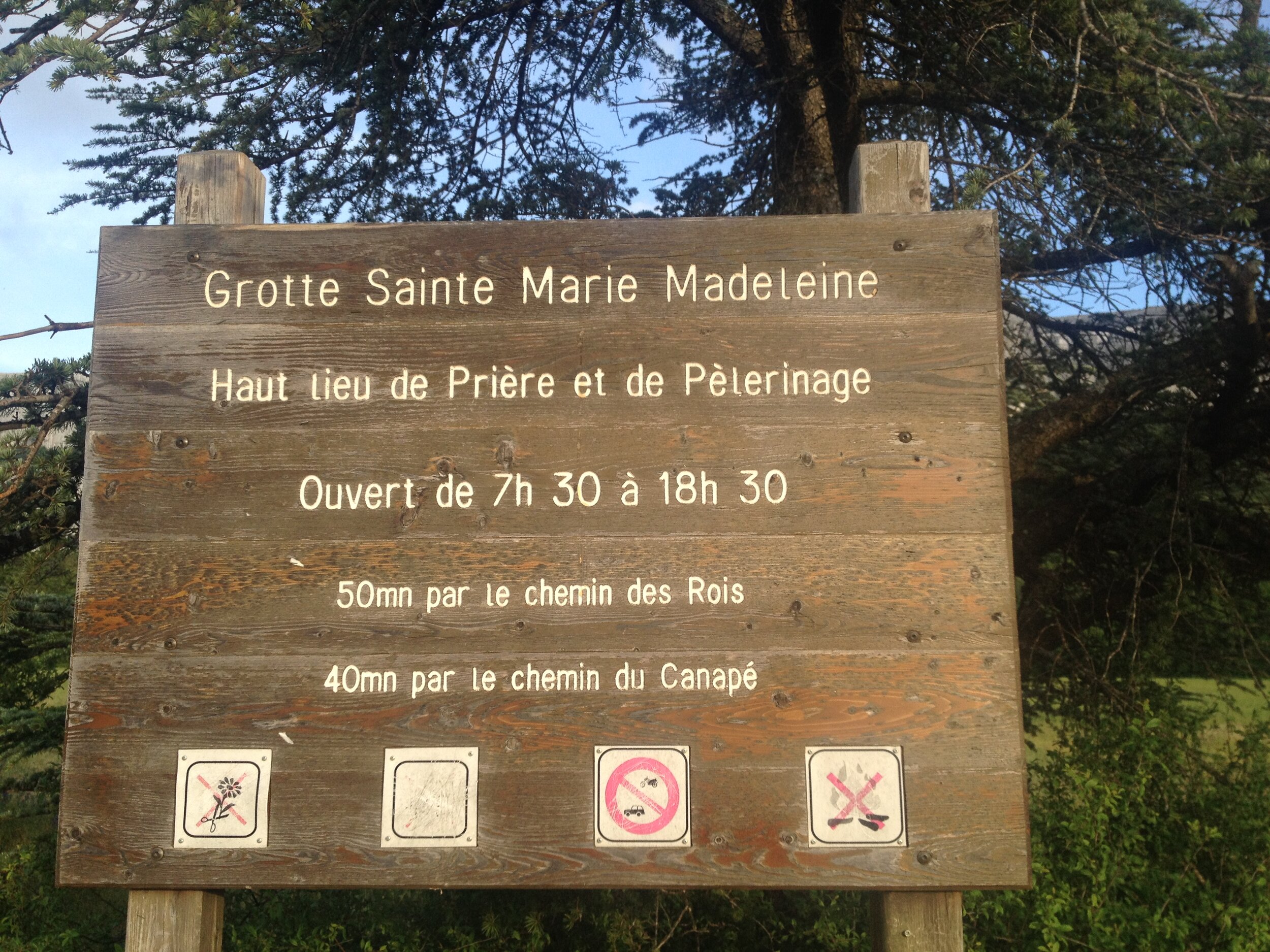
Although there are many variations on the Mary Magdalene legend throughout the region, the dominant version is that, after preaching the gospel to the inhabitants of Provence, Magdalene eventually made her way to the cave, La Sainte-Baume. There she spent thirty years in prayer and meditation, taken to the heavens by angels every hour of the day for material and spiritual sustenance. And this is where my story begins:
La Sainte-Baume is a pilgrim site at the base of Le Plan d’Aups. One must rent a car to get there, which, admittedly scared the crap out of me. For months I had been worrying about driving in France. Well, long story short, I finally made it to the Aix-en-Provence train station to pick up my car: a compact citroen diesal engine - tiny, lightweight, and non-descript. After several deep breaths, as if preparing myself for child-birth, I began my engine and took off for La Sainte-Baume.
Wanting to ease into my European driving experience, I chose to avoid the highways and instead took the back route from Aix to Saint-Maximin and then onto La Sainte-Baume. After about ten minutes, the English-accented GPS guide and I had a running joke about his constant command to “Cross the round-about.”
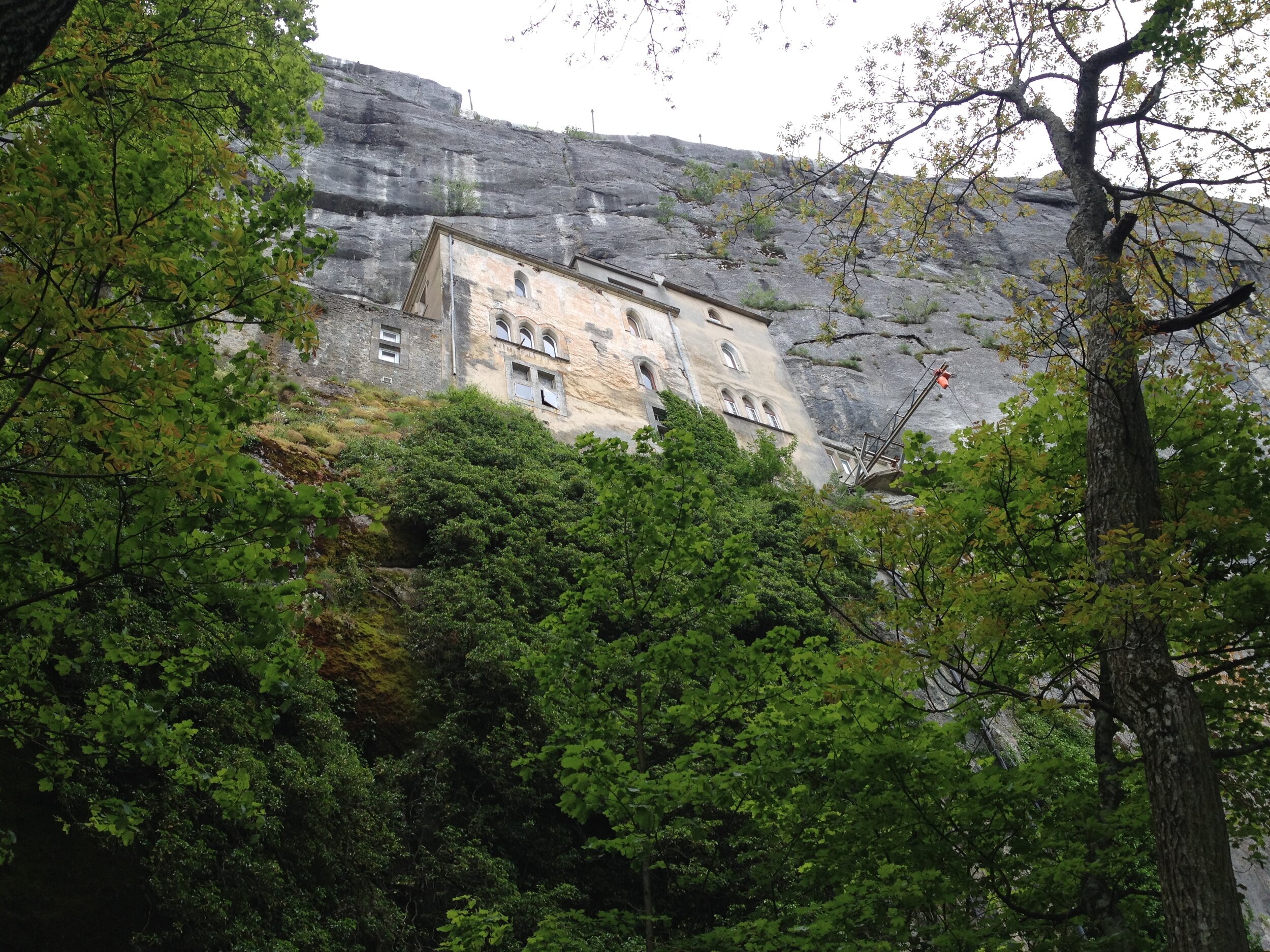
The drive to Le Plan d’Aups was stunning. I drove through vineyards and unpaved countryside roads. After climbing from Nans-les-Pins to the base of Le Plan d’Aups, on what was practically a single-lane road, I came upon it: La Hostellerie de La Sainte Baume. The Hostellerie is a functioning monastery run by the Dominican order. They hold daily mass in the Hostellerie as well as in the cave of Sainte-Baume.
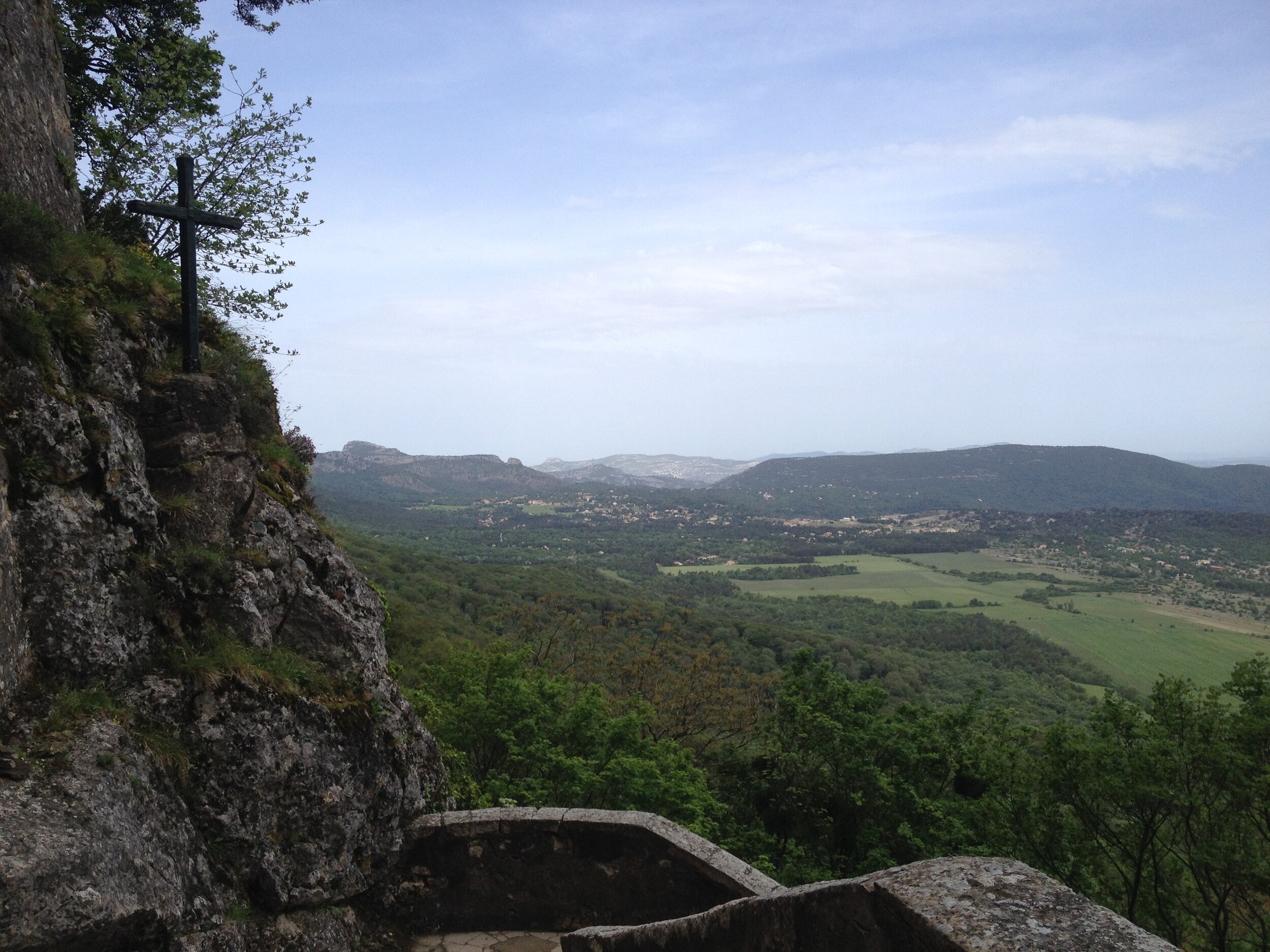
After depositing my baggage, I took a walk outside. The cave-turned-monastery lay just above the tree tops, awaiting my arrival the following day. I walked through the ancient untamed grass strewn with poppies and crickets. I felt the wind upon my face–which I was later told was coming eastward from Greece…ahhh, only a French man could make such a statement sound so romantic! I imagined Mary Magdalene walking upon this land 2,000 years ago. I slept well, knowing I was in the care of Mary.
The following day at the communal breakfast–which included a morning prayer and Sunday School songs–I met 17-year-old Marie, her mother Jean and grandmother Marie-Therese. This encounter put my French language skills to the test, as these ladies spoke almost no English. So, I braced myself, and allowed our mutual passion for Mary Magdalene guide the way.
Jean asked me why I had come all this way, by myself, to La Sainte-Baume. I told her, “For Mary Magdalene. Why? Because I love her.” Jean looked me with piercing intensity, and said, “It is because she had so much love for Jesus.” Taken aback by the simple, yet deeply resonate statement, I could do nothing but nod in sincere agreement. It was then I understood the real impact Mary Magdalene has had on her beloved followers for millennia.
I looked around the room and suddenly realized that it was full of people with a deep love and reverence for one of the most important women in Jesus’s life. Many of us had different interpretations of this love, but it was the pureness of Mary’s love–not a religious pureness, but the pure potential of unconditional love–that brought us together. And it wasn’t just me. Hundreds of people come to La Sainte-Baume every day to hike to the cave and honor her.
Marie and I climbed to the top, so deep in our conversation, alla Franglais, that I didn’t notice the challenge of the steep climb. As we reached the base of the monastery, a stillness came over us.
The potency of the Sacred Feminine was in the statues of women surrounding and grieving at the foot of the cross. A life-sized scuplture of Mother Mary holding the lifeless Jesus with Mary Magdalene weeping at his feet sits across from the entrance to the cave.
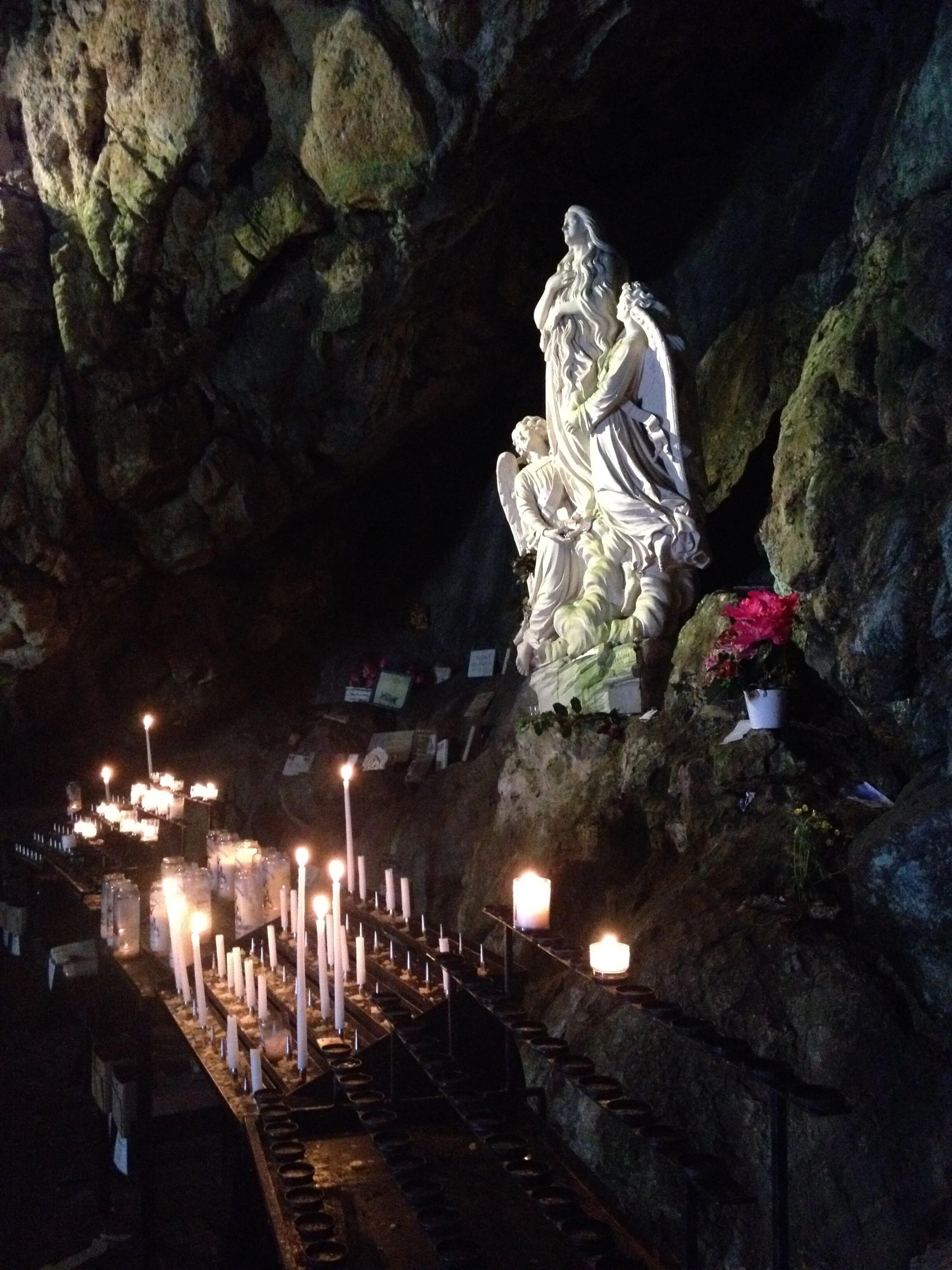
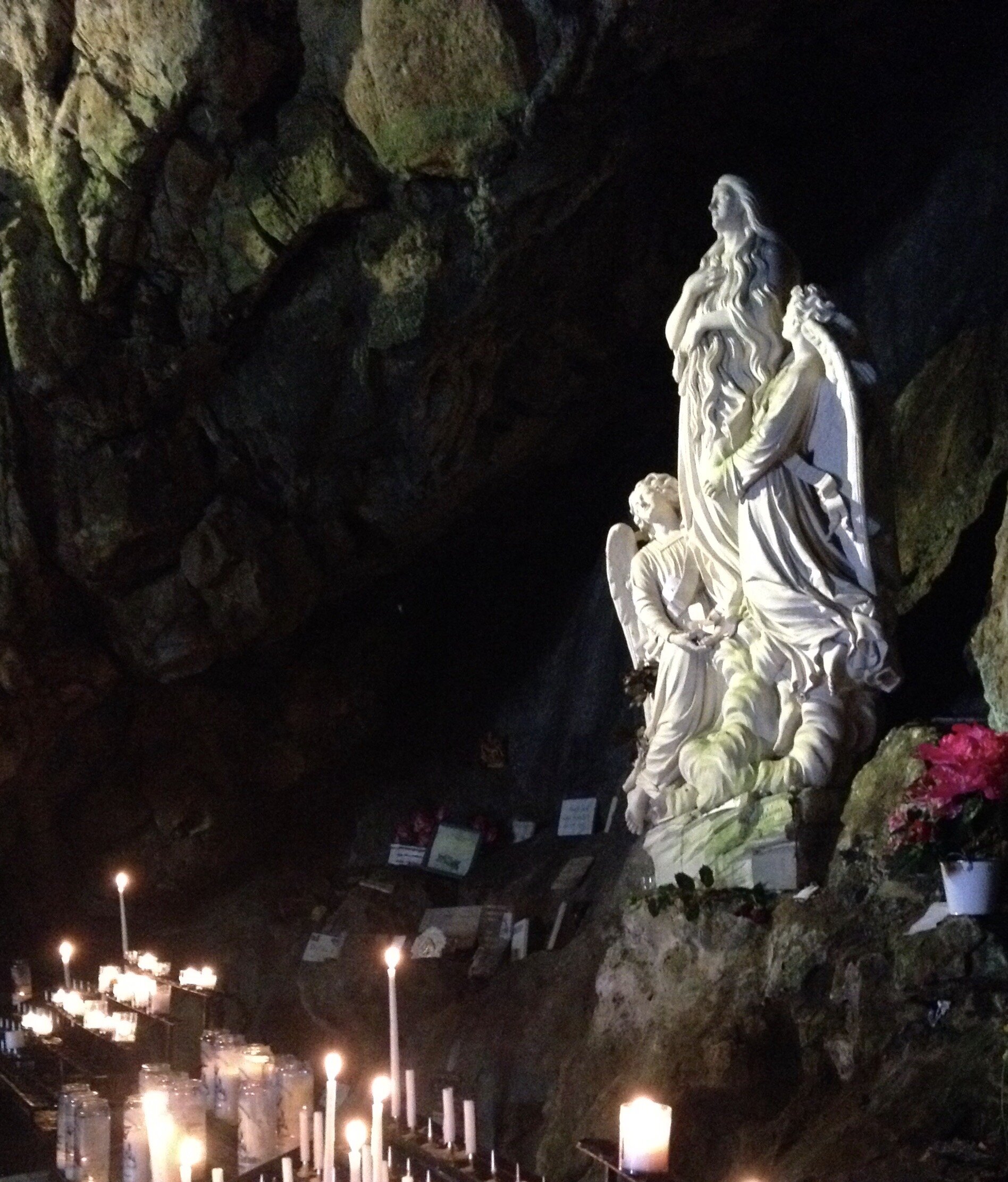
As Marie and I entered the cave, a cool dampness embraced us. I could hear the dripping of water. The haunting glow of the candles allowed the presence of Mary to become very real.
I felt drawn to the furthest most corner of the cave down at the base of the staircase. Walking in silence, I turned the corner, and saw the statue of Mary Magdalene, cross in hand, in agony over her loss. After investigating the rest of the cave, I soon returned to this corner, feeling Mary’s presence strongest there. There I remained, in prayer and gratitude, for such a woman; a woman who has been misinterpreted and debased for too long.
The four of us stayed on for 11 AM Mass. The chanting of the priests rang like bells in the cavernous space….At the end of the day, France is a Catholic country, and the Dominicans are a Catholic order. And for many of them, Mary is important because of the profound love and devotion she had for Christ. Officially, she showed this love and devotion through her act of penance, as well as for her role as the “Disciple of the Disciples,” who spread the message of Jesus throughout the region. SHE brought the message of The Light and The Way–which was synonymous with her profound love and devotion–to France.
Marie eventually asked me my beliefs concerning Christ and Mary, to which I gently explained that, for me, Jesus and Mary represent the masculine and feminine faces of God. She told me she believes that Jesus is the one and true God and that Mary was his devoted disciple. I smiled and told her that I respect all points of view and at the end of the day, it is Mary’s profound love, devotion, and strength that connects us all.
After parting ways with my companions, I had lunch, but did not feel at ease. I heard the call in my heart and knew I needed to return to Mary, in that cave, and in that moment. I practically ran up the mountain. Reaching the top, out of breath, I entered the cave and was embraced by her love. I went directly for my hidden corner and prayed and asked for guidance. As I sat in meditation, she responded, “Just listen.” I laughed to myself at this simple and often repeated advice. Then and there, I stopped asking questions and surrendered to the way she would have me go and be.
Some time later, I discovered I had missed a statue of Mary behind the Priest’s altar. Here Mary appeared to recline in a somewhat erotic manner. Many notes and flowers were left, along with engravings–the oldest of which from 1863–bearing her gratitude.
And then, suddenly, I heard it. I listened, and she spoke. She asked me to give her a ceremony the following day upon my return to the cave.
Suddenly all was well. I knew the mission I had before me. I descended the mountain light-filled with joy.
That evening was filled with laughter as I met several new pilgrims; all forcing me to express my adoration for Mary in simple, yet direct ways, allowing our shared passion to do the talking.
READ NEXT POST: “The Anointed”